

NVIDIA's next-generation GeForce GPUs are now reportedly slated for a 2028 launch. This comes from kopite7kimi on X, confirming the reported delay. While the exact reason remains unclear, the global memory shortage and NVIDIA's apparent prioritization of far more lucrative data-center hardware are obvious factors to consider.
For consumer-facing GeForce products, NVIDIA has targeted a near two-year cadence for the past decade or so. RTX 50 Blackwell GPUs debuted at CES 2025, so even in the best-case scenario where Jensen unveils next-gen GeForce at CES 2028, that's a 3-year or 36-month generation gap.
Popular Now: Xbox Series X can now run PS5 games thanks to a new emulatorSeveral days ago, Moore's Law Is Dead alleged that NVIDIA is still planning to release next-gen RTX 60 products in H1 2027. Now, Kepler_L2 and kopite7kimi suggest a delay to 2028. This seems plausible given the lack of specification-centric leaks around the RTX 60 family. NVIDIA has been tight-lipped on this front as well, and as of yet, we officially do not know whether RTX 60 will employ the Rubin architecture.

Interestingly, NVIDIA's data-center roadmap appears to be progressing much more aggressively. At GTC in March, the company said all seven chips forming Vera Rubin were already in full production. The roadmap continues from Blackwell and Blackwell Ultra to Rubin, Rubin Ultra, and eventually Feynman, effectively maintaining an annual data-center platform cadence.
So the stark contrast is that NVIDIA's consumer and data-center roadmaps appear to be diverging. Vera Rubin is already entering production, while two prominent leakers now claim its GeForce counterpart has slipped into 2028.

NVIDIA would presumably rather allocate leading-edge capacity to vastly more lucrative data-center hardware than GeForce products. The company's latest Q2 earnings show that the data-center segment drives 92.5% of its revenue. Rising memory prices and constrained front-end and packaging facilities at TSMC are also driving factors.
Another twist is that Kepler_L2 suggests AMD could be following a similar trajectory, with most of its next-generation RDNA 5 family reportedly scheduled for 2028. The exception is AT2, the reportedly standard AT2 graphics chiplet, expected to power Microsoft's next-generation Project Helix console. Microsoft has confirmed that Helix uses a custom AMD SoC, though the AT2 details remain unofficial.
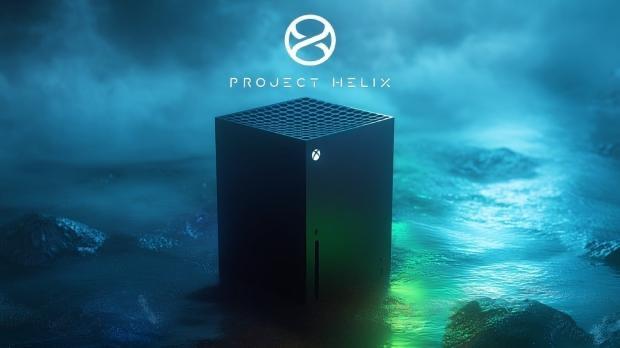
Console hardware follows its own long-term development and validation schedules, so AT2 arriving earlier does not necessarily mean desktop Radeon products must launch alongside it.

Frequently Asked Questions
Open a question for an answer from TweakTown's coverage of this news, or ask your own below.
Why are RTX 60 GeForce GPUs reportedly slipping to 2028?
How does a 2028 RTX 60 launch compare with NVIDIA's usual GeForce release cadence?
What does NVIDIA's Vera Rubin production schedule mean for consumer GeForce cards?
How are memory shortages and TSMC packaging constraints affecting NVIDIA's consumer GPU roadmap?
Have a question that isn't listed here? Ask below, and TweakBot will answer it.

In both cases, the driving forces appear to be the same. With GPU prices currently out of control, a new product is unlikely to ease pains.