

At $299, the Xbox Series S is great for consumers. But some developers are concerned the lower-powered next-gen console will just add more cross-gen optimization work.
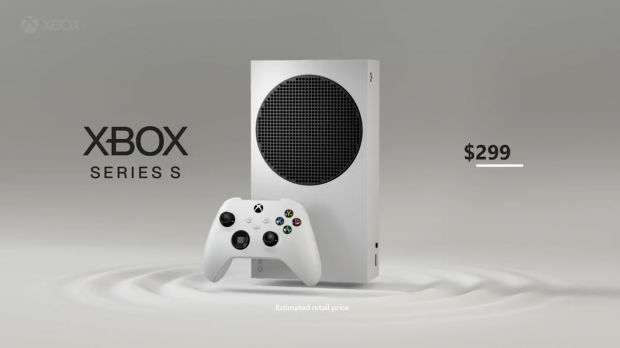
On November 10, devs releasing cross-gen games will have to optimize across five consoles: The 2013 Xbox One, the Xbox One S, Xbox One X, and the newer Xbox Series S and Series X duo. All of these systems have varying performance and games will play differently on each one.
Popular Now: Xbox Series X can now run PS5 games thanks to a new emulatorSome developers like Remedy Entertainment's Sasan Sepehr, who's working as senior technical producer on Remedy's new unannounced AAA game, says the Series S could cause trouble for game optimization.
This makes sense given the already sizable performance discrepancy between the Xbox One and Series generations. There's also a big power delta between the Series S, the entry-level $299 system, and the $499 enthusiast-grade Series X.
The Series S, in particular is drastically downscaled compared to the powerful Series X and developers will have to scale accordingly.
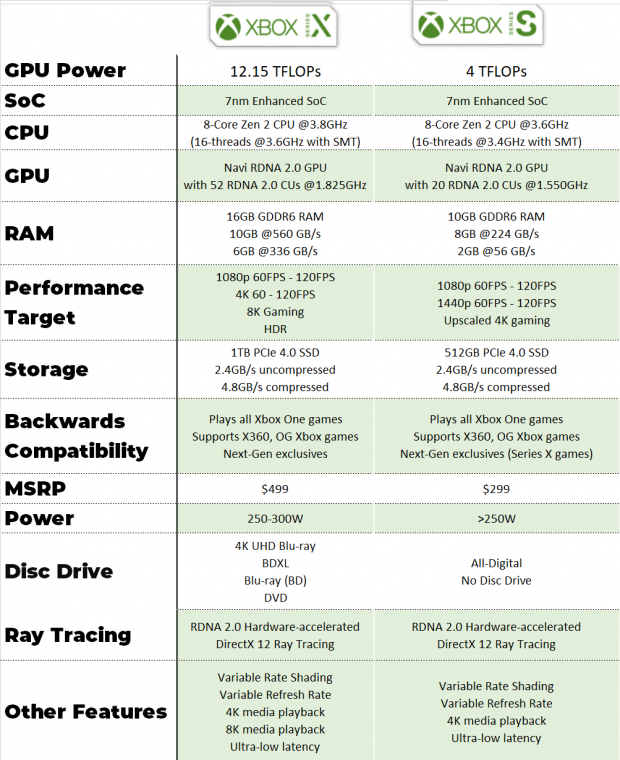
The Series S' GPU is 61% weaker than the Series X, with 4TFLOPs of power and 20 RDNA 2.0 CUs versus the Series X's 12TFLOPs and 52 CUs. The Series S also features 10GB of GDDR6 RAM clocked at a much lower speed. The result is a lower performance target.
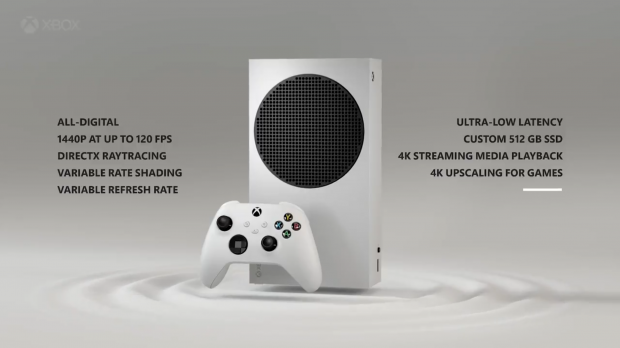
In-game performance will be dropped in ways we haven't seen yet and Microsoft affirms the Series S targets 1440p 60FPS versus the Series X's 4K 60FPS.
We don't know the full extent of how the lower GPU and lower-capacity RAM and speeds will affect game optimization. The Series S features the same PCIe 4.0 NVMe M.2 SSD as the Series X, and promises blazing-fast speeds via the new DirectX 12-powered Velocity Architecture.
The data pipeline will still be accelerated with DirectStorage tech, which supercharges data streaming to RAM, CPU, and GPU. The CPU is also the same 8-core, 16-thread Zen 2 CPU as the Series X, albeit downclocked slightly to 3.6GHz (3.4GHz with SMT).
Ultimately it just sounds like this will create more work for game developers, especially Microsoft's own first-party studios who have to release games simultaneously on all five Xbox platforms (as well as PC) up until 2021.
The Series S and Series X consoles are due out November 10, 2020. Check below for a side-by-side spec comparison: