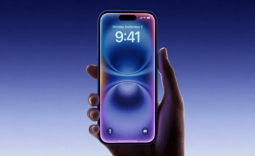
Apple kicked off WWDC 2026 by addressing one of the most consistent pieces of user feedback from the past year: Liquid Glass. The translucent design language that debuted across Apple's software ecosystem last year had users divided, with many users finding the transparency effects difficult to read.
While Apple improved things over the years, it is finally adding a new slider that lets users control exactly how much Liquid Glass they want. Rather than a simple on/off toggle, the slider moves between fully opaque and completely clear, giving users genuine control over the look rather than forcing a single default.
Apple said, "Since everyone's preference varies, we're adding a new slider and settings to adjust Liquid Glass, so you can set it anywhere from ultra clear to fully tinted." Beyond the slider, Apple is updating how Liquid Glass is rendered across the system. The goal is to improve contrast and readability by increasing visual separation between content layers, so that buttons and toolbars stand out more clearly against the background.

On macOS specifically, sidebars now extend to the full edge of the window, with refraction effects continuing beneath them rather than cutting off at the boundary. Sidebar icons also regain their color, addressing a complaint that had been ongoing since the original implementation. Every window on macOS now shares the same corner radius, giving the interface a more consistent feel across applications.
App icons are also being updated. Apple says the new rendering pipeline adds more visual separation between layers, resulting in sharper edges and more defined refractions. First-party icons are being further updated, with Apple integrating additional layers of Liquid Glass directly into the icon artwork.

Apple said during its presentation that "Our team really appreciates your feedback, and we considered it deeply as we refined the new design over the past year." The updated Liquid Glass implementation arrives with iOS 27, which carries the same supported device list as iOS 26.