Kotaku recently spoke to a handful of video game industry analysts, and one of them had a succinct explanation on why console hardware prices are so out of hand right now.

Photo Credit:iFixit
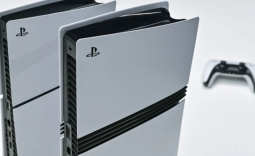
Analysts have some bad news for gamers: Hardware prices aren't expected to drop anytime soon. If anything, the prices should rise, which is a difficult concept to grasp now that Sony is selling a $900 PS5 Pro. Kotaku spoke to six analysts and the consensus is that yes, consoles will get more expensive.
While each analyst had their own words on the situation, an explanation from Alinea Analytics' Rhys Elliott stands out as a good lesson on the games industry. Elliott says that the price hikes are also a result of production contract renewals; companies make multi-year contract deals to secure chips and components for hardware, pre-ordering these products years in advance. When these contracts expire, they have to be renewed at then-market rates. Those renewals are happening, and Sony, Microsoft, and Nintendo are all now having to pay more, naturally passing those costs down to consumers.
"The increases happening now are lagging indicators, not the peak. Platform holders and manufacturers run on long-term supply contracts and inventory buffers that initially shielded retail pricing. As those contracts expire, companies are renegotiating component costs at today's inflated rate, and that pressure is industry-wide," Elliott said.
Elliott goes on to say that the price hikes aren't an immediate danger to any of the Big 3 because the spending spigot is still flowing. In other words, it's only a problem when spending becomes stagnant within the ecosystem--when it becomes clear that the higher prices are stalling spending growth, then there's an issue.
But by the time that happens, it might already be too late, especially given the time-delayed lag effect that the industry banks on.
Omdia's James McWhirter believes Nintendo is hit especially hard by market trends, which is indicated by the company's slimmer profit margins for the Switch 2.
"While console manufacturers can and will continue to subsidize the cost of their hardware, components costs continue to rise faster than the rate by which they are subsidizing - this is especially true for Nintendo," McWhirter said.