Samsung is reportedly shifting its focus on DRAM production with reports that the company is scaling down its HBM modules for AI GPUs, to DDR5 modules because of the insanely high prices of DDR5 RAM right now.

In a new report from DigiTimes picked up by analyst @Jukan on X, we're hearing that Samsung's new internal strategy in response to intensified HBM market competition, is reallocating DRAM production capacity to DDR5 RDIMM memory modules, which will free up around 80,000 DRAM wafers per month, making significantly more profit.
Popular Now: Radeon RX 9070 XT is now AMD's most popular GPU, surpassing every RDNA 3 and RDNA 2 cardSamsung has been struggling against HBM competitors SK hynix (mostly) and US-based Micron, which just closed its consumer RAM and SSD business -- Crucial -- down. Samsung's new HBM3E has passed NVIDIA's strict certifications, but the company has reportedly been cutting prices of its HBM in attempt to increase its HBM market share against SK hynix and Micron.
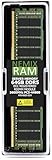
Samsung is making around 30% less profits for its HBM than SK hynix, with another 30% price cut on its HBM memory chips expected in 2026. Compare this to Samsung's recent Q4 2025 price of $450 for 64GB of RDIMM, with gross margins of over 75% without signs of slowing down, with prices to go up to $480 in early 2026.
- Read more: SK hynix to boost DRAM production by 8x in 2026, not enough for RAM shortages
- Read more: Samsung to show off its bleeding-edge 36GB HBM4 modules at ISSCC 2026
- Read more: Samsung to show off latest LPDDR6 + PM9E1 Gen5 SSDs + more @ CES 2026
- Read more: Samsung secures key HBM4 deal with NVIDIA, collaboration on next-gen HBM
- Read more: Samsung preps mass production of HBM4 in 2026, 24Gb GDDR7 dies, 128GB+ DDR5
But... the spot market prices have skyrocketed to $780, which means Samsung could soon pass over $500 per module, meaning more profits than HBM memory chips which the company is slicing profits down just to get market share. Samsung will shift its focus into both next-gen HBM4 memory, where it is in a far better position in HBM4's future than it did with HBM3/E, as well as DDR5 memory chips.
SK hynix and Micron will benefit from Samsung scaling HBM3/E memory production down, with Samsung reportedly shifting 30-40% of its DRAM production capacity from its in-house 1a DRAM process, to next-gen 1b or 1c nodes, with 1c to become the primary focus. Samsung will free up around 80,000 wafers per month, redirecting them to general-purpose DRAM like DDR5, LPDDR5X, LPDDR6, and GDDR7 memory.