Nintendo shares have slid as much as 4.7% on Wednesday, hitting their lowest levels since May, wiping $14 billion in market share, as there are major concerns over the increasing price of DRAM memory chips required for the Switch 2.

Inside of the Nintendo Switch 2 is 12GB of RAM which the company needs, but they have gone up a huge 41% in the last quarter, with the NAND storage board for the Switch 2 also now 8% more expensive, and expected price increases for the add-on storage cards in 2026, too.
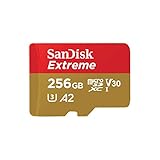
Pelham Smithers of Pelham Smithers Associates said: "The rise in NAND prices is starting to really impact express SD card prices. A 256GB express SD card costs $89.99 on Amazon. This is effectively a cost that Nintendo has passed on to the gamer".
Smithers also said that the recent Black Friday sales for the Nintendo Switch 2 + Mario Kart World bundles were one of the seasonal sales "surprises", adding: "you wouldn't expect it (Nintendo Switch 2 + Mario Kart World bundle) to be discounted this close to the holiday season".
These issues for Nintendo aren't exclusive to the Japanese company, as Microsoft has been -- rather blazingly -- increasing the cost of its Xbox Series X/S consoles, even when they've been bleeding out console market share to Sony and its dominating PlayStation 5 and PS5 Pro consoles.
We should expect the pain to continue well into 2026, and into 2027, before some (possible) relief arrives in 2028 for DRAM.