The IEEE ISSCC 2026 conference kicks off in February 2026, where SK hynix and Samsung will be showing off their very latest GDDR7, LPDDR6, and HBM4 memory products.

In the list of sessions at ISSCC 2026 is "DRAM, SRAM, and Non-Volatile Memories" and just that section alone -- outside of the hundreds of topics and sessions across the 5 days, we have SK hynix presenting its 1cnm SRAM 16Gb LPDDR6 memory with 14.4Gbps per pin of bandwidth, and its new 48Gbps 24Gb modules of GDDR7 memory for "mid-range" inference AI performance.
Samsung on the other hand will be showing off its new 36GB HBM4 modules with 3.3TB/sec of bandwidth per channel, and its new 16Gb LPDDR6 memory with 12.8Gbps of bandwidth.
SK hynix's new 48Gbps 24Gb GDDR7 modules means 3GB of memory capacity using 8 x 3GB GDDR7 memory modules, which will deliver over 70% improvements in bandwidth using a single DRAM chip with up to 192GB/sec of bandwidth, compared to the 28Gbps GDDR7 modules used now with just 112GB/sec of memory bandwidth per GDDR7 module.
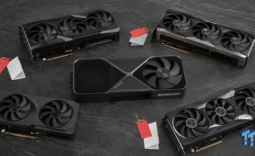
Where will this ultra-fast 48Gbps GDDR7 memory be used? Considering NVIDIA's current GeForce RTX 50 series use 28-32Gbps GDDR7 modules, the RTX 50 SUPER series could use them, but that 70% uplift on memory bandwidth is gigantic for gaming cards. Newer AI GPUs from NVIDIA made for China are moving away from using HBM because of US export controls, with more and more higher-end RTX 50 Blackwell AI cards using GDDR7 memory.
IEEE ISSCC 2026 conference list of paper sessions:
- Processors
- Wearable and Wireless Biomedical Systems
- Analog Techniques & Amplifiers
- Sub-THz and mm-Wave Phased Arrays and Beamformers
- Exploratory Receiver Architectures from GHz to THz
- Image Sensors and Ranging
- Die-to-Die and High-Speed Electrical Transceivers
- Wireless Power
- Digital Processing and Circuit Techniques
- Pipeline and Ultra-High-Speed Data Converters
- Frequency Synthesizers and VCOs
- Circuits for AI and AI for Circuits
- Unusual Interconnects and Other Uses for Light
- DRAM, SRAM, and Non-Volatile Memories
- Energy Harvesting, Piezo, and Chargers
- Highlighted Chip Releases for AI
- Technology and Circuits for Domain-Specific Accelerators
- High-Voltage, Isolated, and Display Power
- RF Transceiver Subsystems from cm-Wave to THz
- Sensor Interfaces
- Circuits in Extreme Environments
- Next-Generation Optical Transceivers
- Displays
- Hardware Security
- Compute Power and Supply Modulators
- Frequency Generators, Multipliers, and Modulators
- Innovations from Outside the (ISSCC) Box
- Biochemical Sensors for Life Sciences and Agriculture
- Compute-in-Memory
- AI Accelerators
- Low-Power Noise-Shaping ADCs
- Time-Varying Circuit Techniques from RF to mm-Wave
- Integrated Radar and UWB Transceivers from Microwave to Sub-THz
- Low Power Wireless Transceivers for Localization and Communications
- Neural and Biomedical Interfaces
- Memory Interface