

RAM shortages are causing more issues than higher pricing for consumers, with motherboard makers like ASUS and GIGABYTE enjoying that distributors are now forcing RAM purchases to be tied to motherboard purchases.

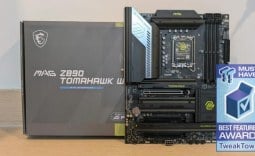
In a new report from the Taiwan Economic Daily, we're hearing that Taiwanese distributors are forcing customers to buy motherboards with RAM module purchases, meaning that if you are looking to buy DDR5 RAM, you'll need to purchase a motherboard at the same time.
In retail this isn't so new, as distributors will often tie purchases of one product to another. I worked retail for 10 years before my now huge 15+ year stint here at TweakTown, and I personally remember dozens of times where in order to get our hands on bleeding-edge CPUs at the time, we had to bundle in entry-level and mid-range motherboards as well. The same thing happened with high-end HDDs at the time, we would have to order a bunch of other mid-range drives to get other products before competitors (or to even get our hands on them at all).
Distributors are cashing in on the massive demand for DRAM, and now some customers -- depending on the country -- will have to buy a motherboard with their RAM purchase. I can see retailers eating up the cost as much as they can, but system builders will be hit the worst. System builders that are building systems daily, will be forced to pay bigger costs to ensure they get RAM in by the pallet load, before prices (continue to) skyrocket.
We should see Taiwanese brands like ASUS, MSI, GIGABYTE, and others using a new method of getting RAM modules to consumers, which would in turn increase motherboard sales. We should expect this story to continue to evolve, and it will be a hot topic at CES 2026 which isn't far away at all.