




Windows 11's big 23H2 update from 2023 has entered a new 'rollout phase,' one that will leverage machine learning (ML) to automatically update Windows 11 devices to the latest version of the operating system. Forcing major OS updates on users is never a good look, but this adds an extra layer thanks to AI being in charge of which devices will be 'force-updated.'
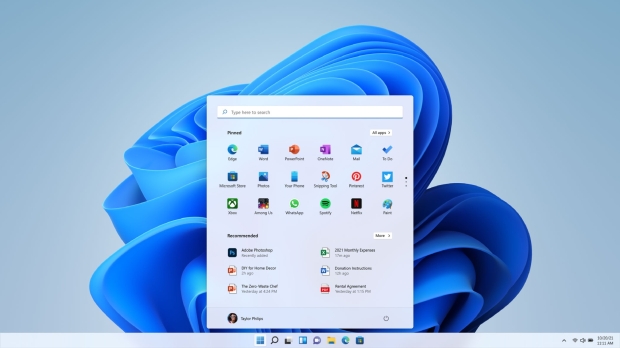
Of course, it comes down to older versions of Windows 11 reaching their end of servicing phase, so there's a definite reason to update. The devices in question are predicted to be those running Windows 11 21H2 or 22H2.
Popular Now: Developer abandons PS5 Linux project after people found a Hypervisor bug and reported it to Sony"This automatic update targets Windows 11 devices that have reached or are approaching end of servicing and it follows the machine learning-based (ML) training we have utilized so far," Microsoft writes. "We will continue to train our intelligent ML model to safely roll out this new Windows version in phases to deliver a smooth update experience."
For those running older versions of Windows 11, the system requirements for the OS haven't changed, and updating to Windows 11 23H2 can be carried out by selecting the "Get the latest updates as soon as they're available" option in Windows Update Settings.
Outside of forcing updates on users, the big thing here is Microsft going all-in on AI and ML for the future of Windows - which is now a key part of the Windows Update process. We assume the model is trained on existing Windows 11 update logs to identify systems and specs presenting the safest and smoothest transition. With the sheer number of different components that can make up a desktop or mobile Windows 11 device, leveraging AI in this way makes sense.
Later this year, Microsoft will release Windows 11 24H2, with the next major update further integrating AI tools and ML into all aspects of the operating system.