
Our Verdict
Introduction & Drive Details
Sabrent's Rocket XTRM-Q portable SSDs have reached nearly legendary status by now. With the ultra-portability plus the convenience of bus-powered speeds of up to 2,700 MB/s sequential throughput and capacities of up to 8TB, it's easy to see why. Additionally, Rocket XTRM-Q portables are special in that they not only support Thunderbolt 3, but they also support USB 3.2 Gen2 at capacity points of up to 8TB. There is a 16TB XTRM-Q, but it is exclusively Thunderbolt, and it requires external power.
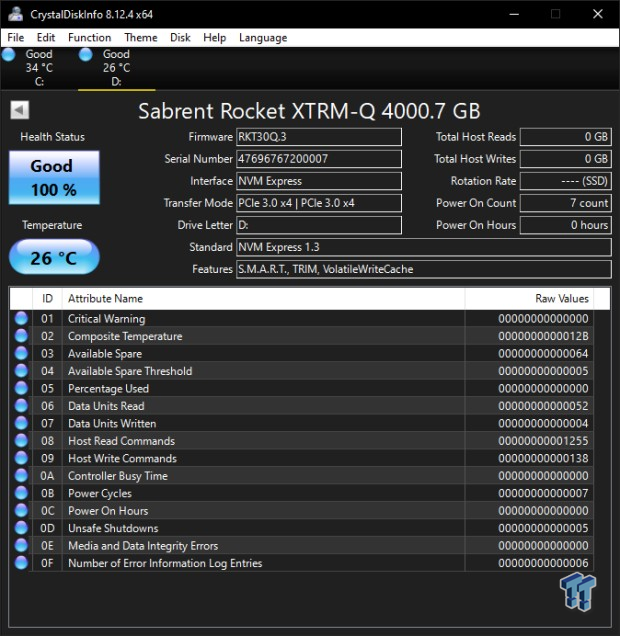
We really love that the Rocket XTRM-Q can do both USB and Thunderbolt 3. The drive automatically detects the host interface and switches between the two connections. We always like to test with the fastest interface for the bulk of our review. However, we decided to run a quick CDM to verify Sabrent's claimed 900 MB/s throughput over USB 3.2 Gen2:
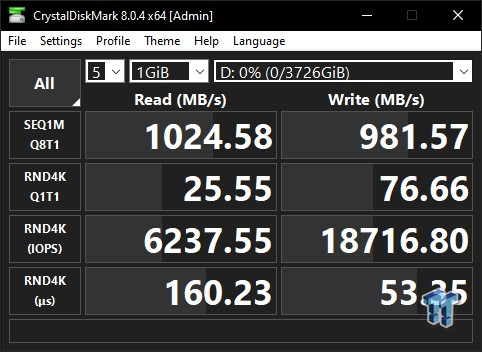
Performance over USB turns out to be better than advertised, coming in at over 1,000 MB/s throughput. Excellent.
Enclosure Details
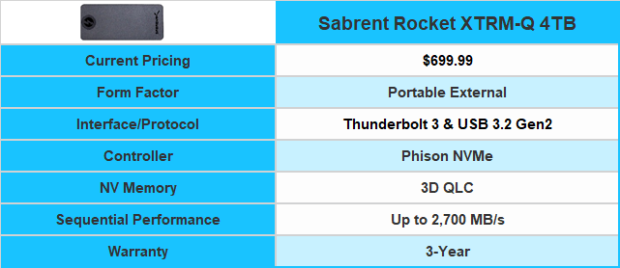
Best Deals: Sabrent Rocket XTRM-Q 4TB Portable SSD


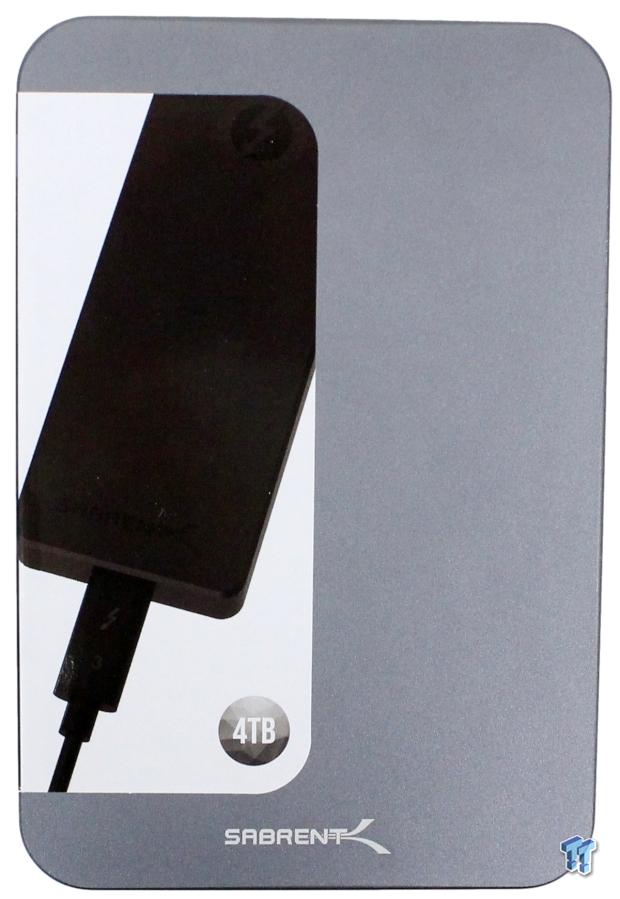
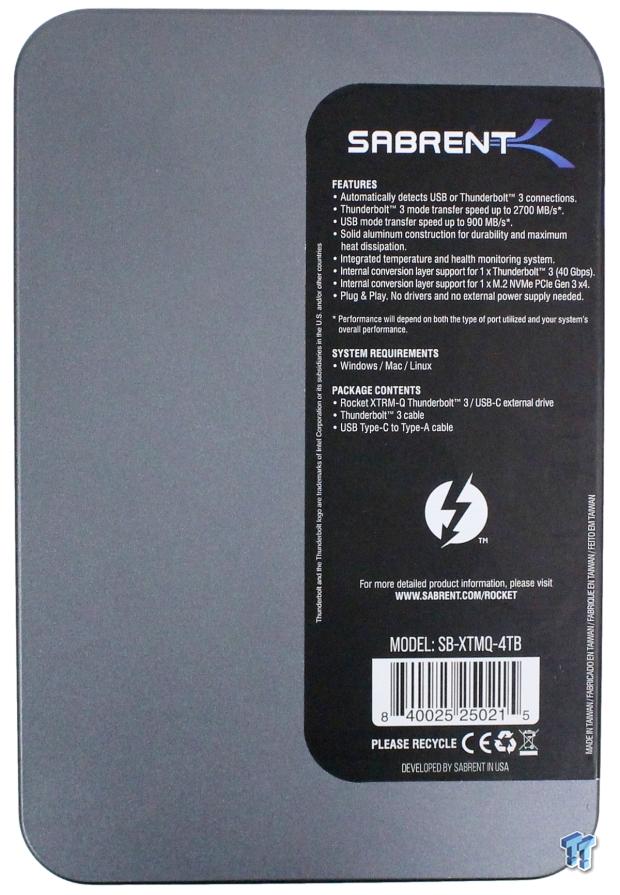
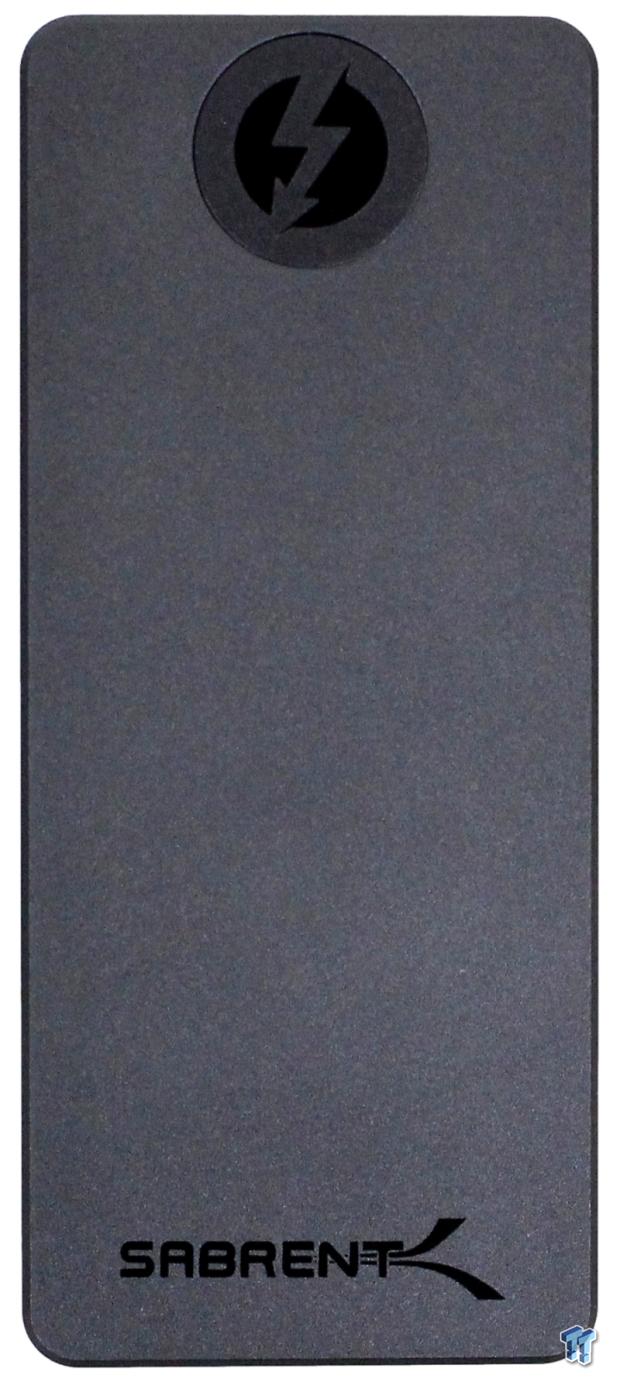
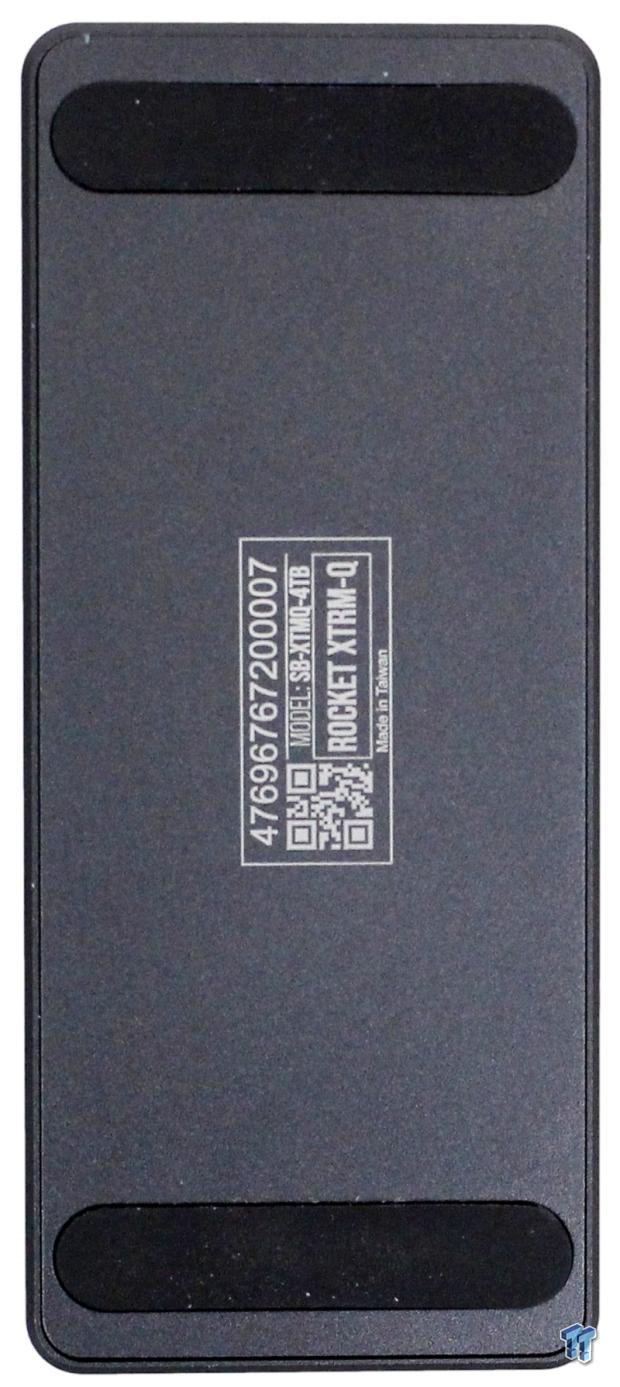
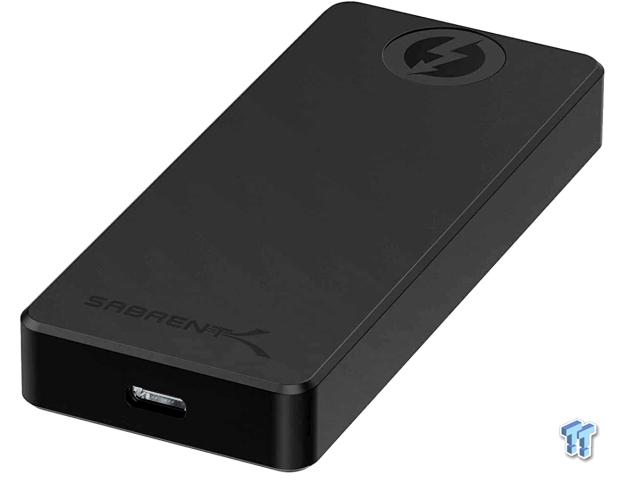
Compact and beefy. The Phison E12S based QLC SSD at the heart of XTRM-Q is encased by approximately a half-pound of solid machined aluminum. The sleek-looking gunmetal-colored enclosure is sealed and doubles as a heat sink for SSD inside. The drive ships with both a Thunderbolt 3 cable and a USC C to A cable. Quality through and through.
Jon's Test System Specifications - Intel NUC 11 Pro
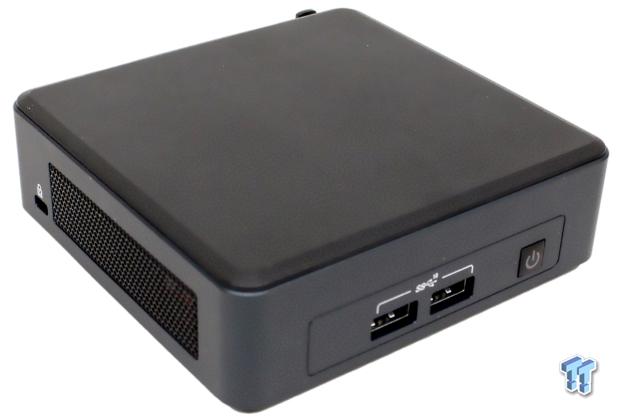
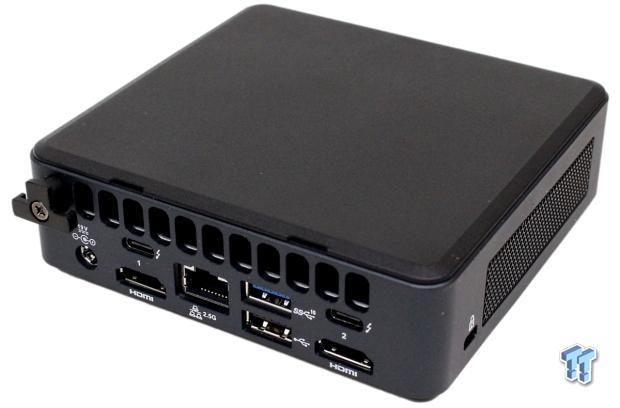
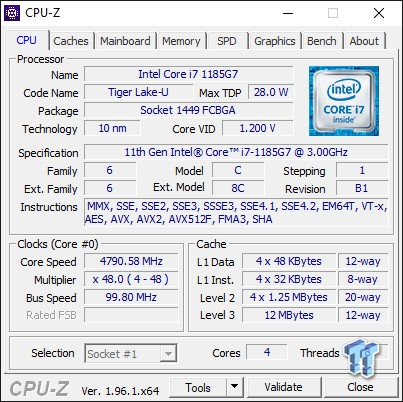
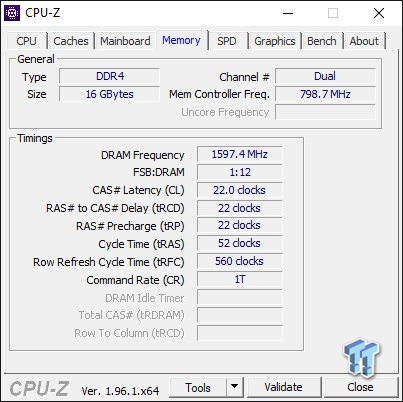
Note: For USB 3.2 Gen2 x2 SSDs, we test on our Z590 system set to match our Intel NUC 11 specs (4.8GHz, 8-threads, DDR4 3200, balanced power plan).
Synthetic Benchmarks: CDM, ATTO & Blackmagic
CrystalDiskMark
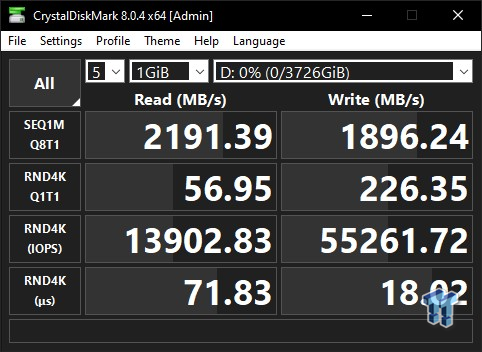
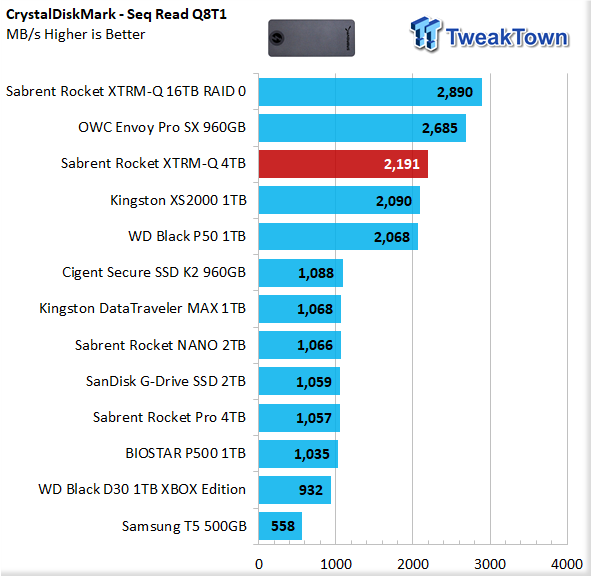
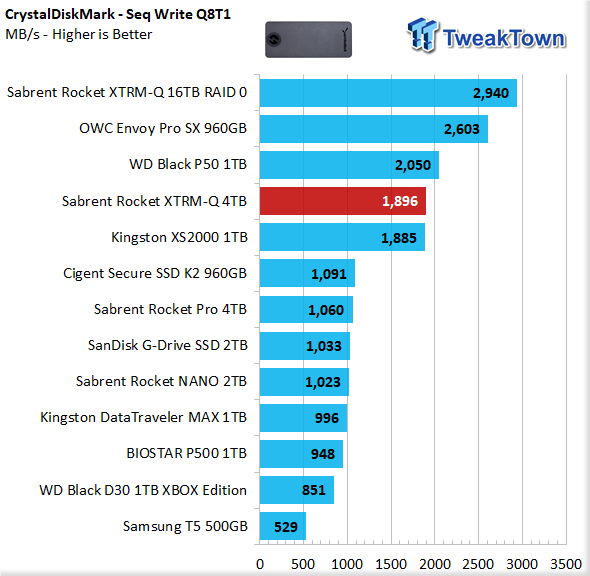
We are not getting 2,700 MB/s throughput out of CDM. We looked into it by checking on other CDM benchmarks on the web, and we found that when run on CDM, the 4TB XTRM-Q does indeed top out at 2,200 MB/s throughput. We are fine with that because we feel that the drive's record level Q1T1 random performance more than offsets the lower than advertised sequential throughput.
ATTO
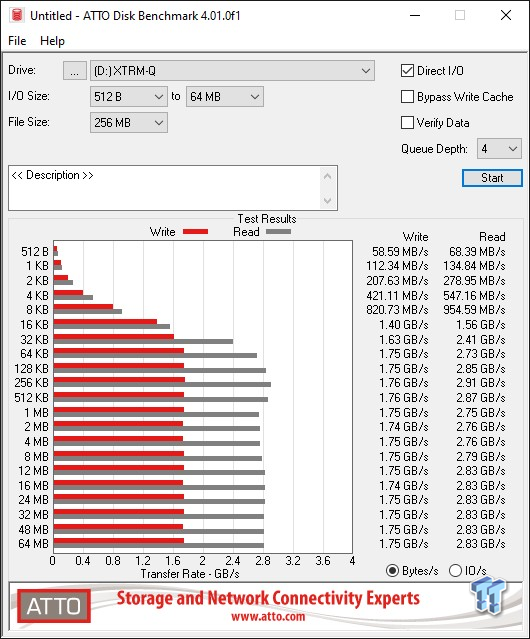
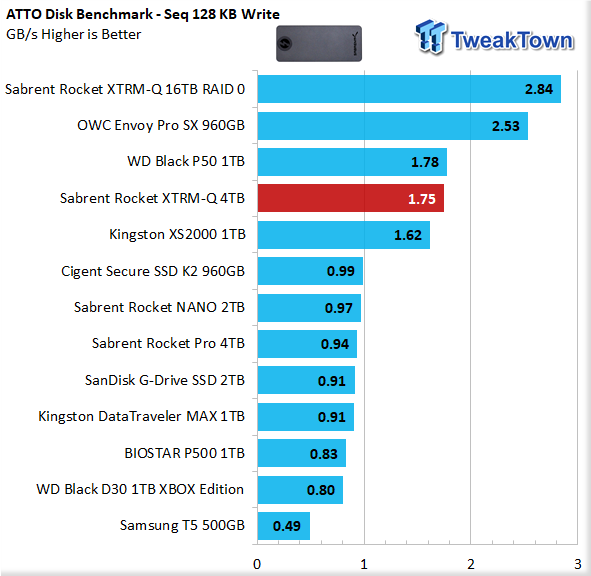
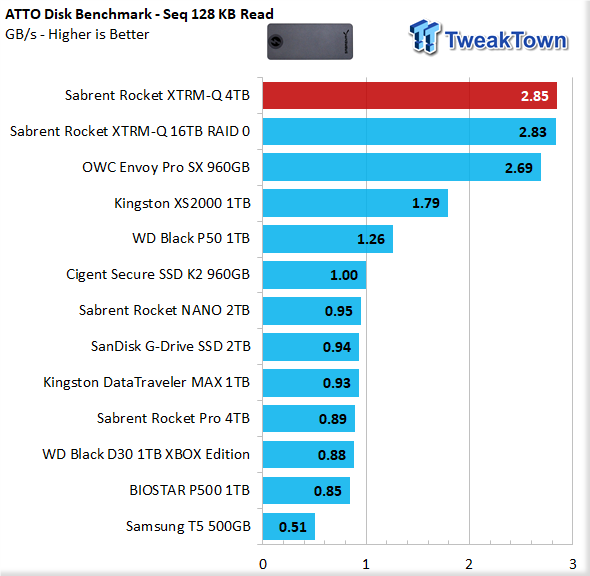
Okay, here we are getting 2.85 GB/s or 2918 MB/s throughput at 128K transfers which does confirm the XTRM-Q can deliver even more than its stated 2,700 MB/s. 100% full speed at QD4 128K transfers and a beautifully consistent pattern that doesn't show any signs of throttling as transfer sizes climb higher. Everything we want to see, including more than 50MB/s at 512B transfers. Impressive and a new lab record for portable throughput at 2.85 GB/s. Wow.
Our Latest Enclosures/Externals Review Coverage
- TERRAMASTER D1 SSD Pro Thunderbolt/USB Portable Enclosure Review - Incredible Potential
- Orico K20 Mini 2TB Magnetic Portable SSD Review - Ultra-Thin MagSafe Drive
- LaCie Rugged SSD4 2TB Portable SSD Review - 4000 MB/s of Awesome
- Seagate Ultra Compact SSD 2TB Review - A Pocket's Best Friend
- Corsair EX400U 2TB Portable SSD Review - World's Fastest Native USB Storage
Blackmagic
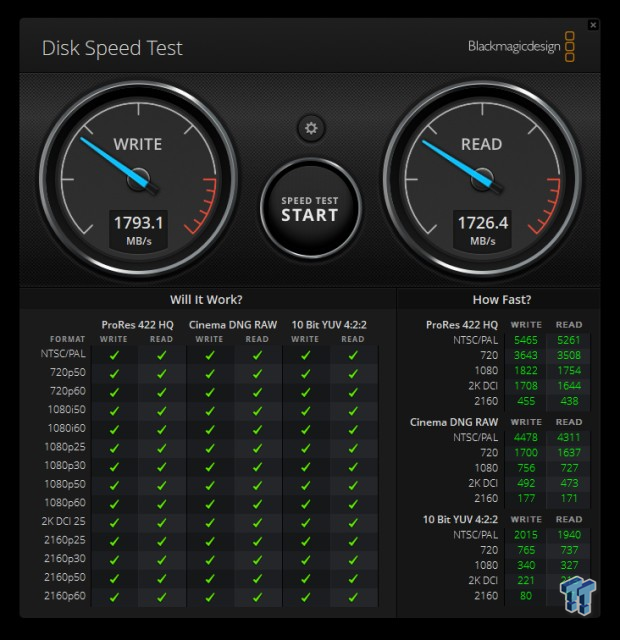
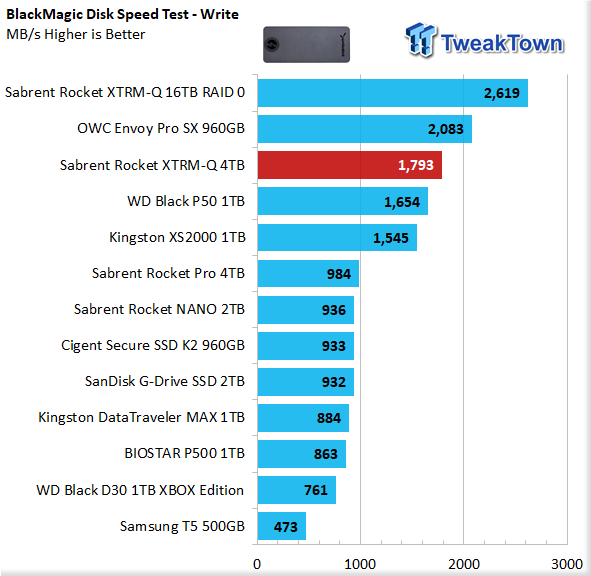

Blackmagic shows the 4TB Rocket XTRM-Q capable of handling all video storage duties it checks for, even 4K at 60 FPS.
Real-World Testing: PCMark 10 & Transfer Rates
PCMark 10 Data Drive Benchmark
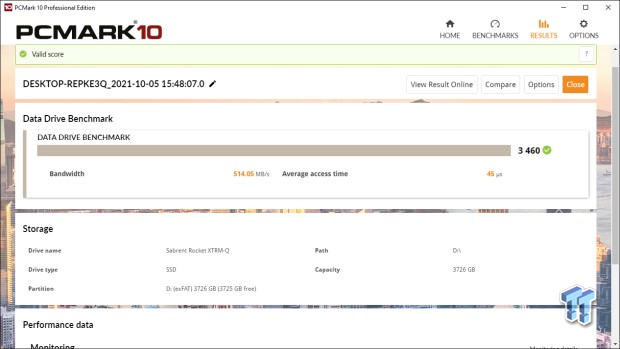
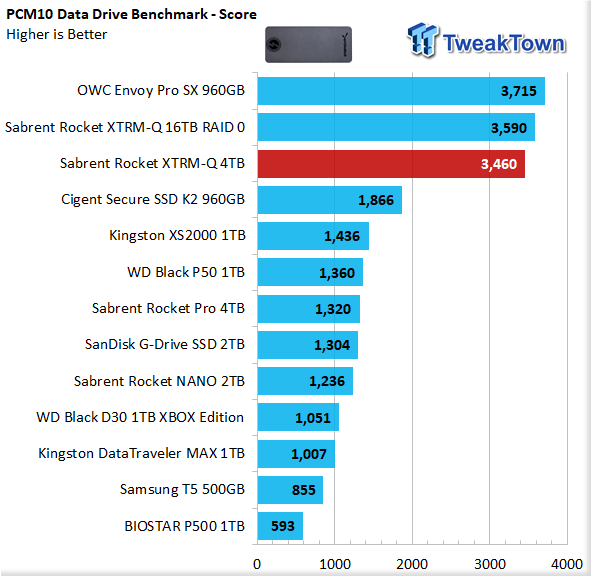
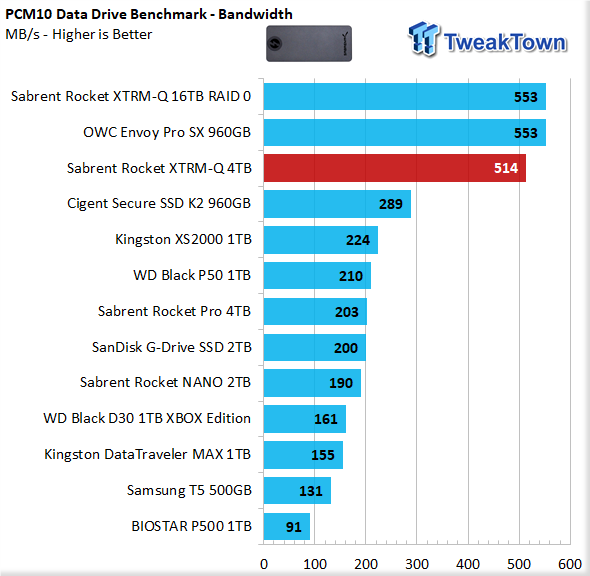
Thunderbolt 3 offers tremendous performance potential, and the Rocket XTRM-Q takes full advantage, delivering the third-best performance we've witnessed from a portable device to date. Excellent.
Transfer Rates
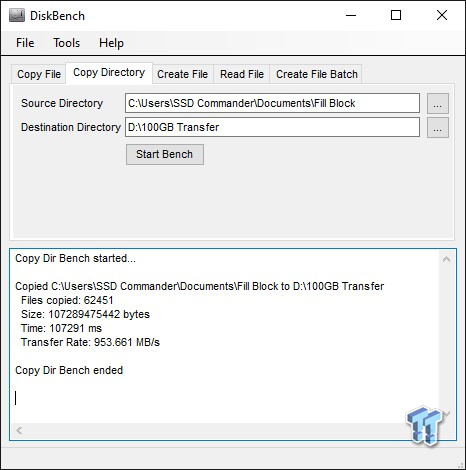
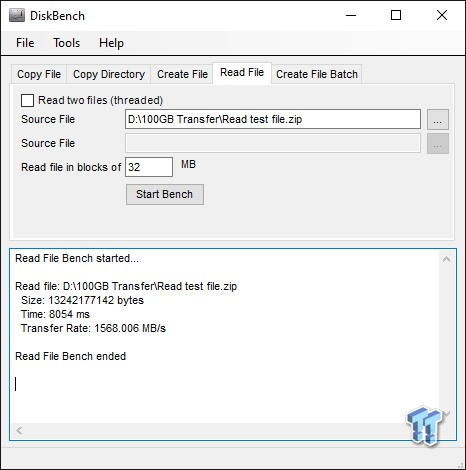
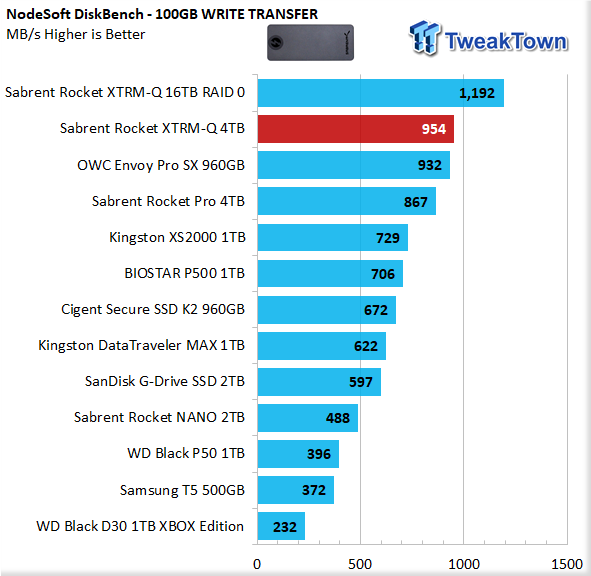
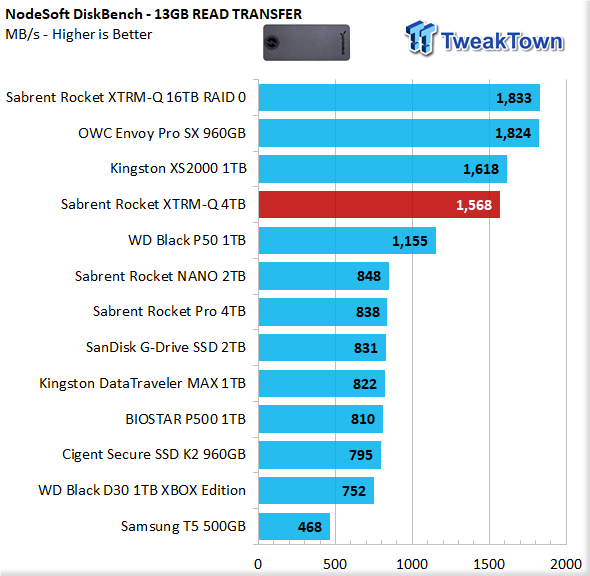
We brutalize our test subjects with our extremely hard-to-swallow 100GB data block. This data block is the same one we use for our internal SSD testing and is composed of more than 62K files. The Rocket XTRM-Q 4TB becomes our non-RAIDed portable lab champion when writing our 100GB data block. To our surprise, it does it even better than OWC's Envoy SX TLC TB3 speedster.
Final Thoughts
Sabrent's Rocket XTRM-Q 4TB has you covered whether you have Thunderbolt or simply USB ports on your PC. The drive is competent with either interface, capable of delivering more than 1,000 MB/s throughput over USB and as much as 2,900 MB/s over Thunderbolt 3. It even managed to deliver a couple of lab records, the most impressive of which was a 954 MB/s average when writing our 100GB data transfer.
Versatility, quality of manufacture, and record-breaking performances have earned Sabrent's 4TB Rocket XTRM-Q TweakTown's highest award.
Pros
- Bus Powered
- TB and USB
- Professional Grade
Cons
- None