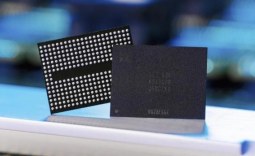


We all expected as much, but now even Samsung just told investors that this debilitating memory crunch isn't even close to peaking. During its Q2 2026 earnings call, the company said DRAM and NAND shortages will get worse in 2027 before easing anywhere close to normal, with tight supply sticking around through 2028.
Jaejune Kim, Samsung's EVP of memory, put it bluntly on the call:
Popular Now: Developer abandons PS5 Linux project after people found a Hypervisor bug and reported it to Sony"We believe it will be unlikely to see any increase in incremental supply through 2028. The supply constraints are expected to become even more severe in 2027."
That's a rough one for anyone who's been watching RAM shortages drag into 2027 already, hoping for relief on the other side. Instead, Samsung is describing 2027 as a harder year, not the recovery year.

While Samsung is busy warning us that our RAM will continue to get more expensive, their own profits are soaring. Samsung's chip division posted a profit jump that's hard to wrap your head around, with operating profit up roughly 19 times year over year, and memory alone accounted for almost all of it. It's the kind of quarter that usually signals a company riding a temporary spike. Except, Samsung is now saying the spike still has a couple of years left in it.

Samsung said it's locking in 60 to 70 percent of its capacity into multi-year supply deals with data center operators and AI labs, some of whom are reportedly approaching Samsung directly instead of going through cloud providers. While that's a great arrangement for Samsung's balance sheet, it also means less capacity left over for the modules, SSDs, and GPUs that eventually land in consumer PCs. That's on top of pressure from new US memory tariffs that could squeeze supply even further.

These warnings are not new, as SK hynix has also said DRAM supply growth will stay tight into 2028, and industry analysts expect real relief on new production lines to be delayed until at least the second half of 2027.
Not every voice in the industry agrees on timing, though. A former Samsung executive recently predicted things could ease by late 2027 as Chinese production ramps up. ADATA's chairman seems to think we'd be stuck in this vortex for an entire decade, which is a terrifying thought.

As far as consumers go, this probably means the shortages that have already pushed prices to absurd levels aren't fading out next year. Memory kits, SSDs, laptops, and prebuilt PCs are likely to stay expensive well into 2027, and Samsung isn't offering much hope for 2028 either.

Frequently Asked Questions
Open a question for an answer from TweakTown's coverage of this news, or ask your own below.
What reasons did Samsung give for tighter consumer memory supply through 2027–2028?
Could new US memory tariffs mentioned in the article further reduce consumer memory availability?
Based on this article, should I delay a PC build or RAM upgrade waiting for prices to fall in 2027?
Which alternative industry viewpoints (for example former Samsung exec or ADATA chairman) were cited about when the memory crisis might end?
Have a question that isn't listed here? Ask below, and TweakBot will answer it.

If you've been holding off on a RAM upgrade or a new build waiting for prices to cool off, this warning from Samsung is a pretty clear signal that the wait probably isn't ending soon.