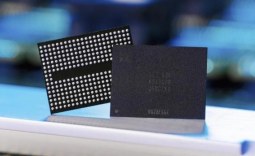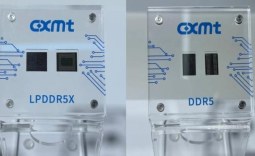
The global memory crisis doesn't appear to be easing anytime soon, with new reports suggesting DRAM shortages could stretch well into the end of the decade, which coincides with what I heard from memory manufacturer insiders at CES 2026.

According to Nikkei Asia, DRAM manufacturers are only expected to meet around 60% of global demand by the end of 2027, despite the numerous aggressive expansion plans for DRAM production. The big three, including Samsung, SK Hynix, and Micron, are investing heavily in new fabrication facilities, but most of this additional capacity won't come online until 2027 or later, leaving a multi-year supply gap.
At the heart of the issue is the explosive growth of AI infrastructure. High-bandwidth memory (HBM), critical to AI accelerators and data centers, has become a top priority for manufacturers. As a result, traditional DRAM used in consumer devices, such as PCs, smartphones, and gaming handhelds, is being deprioritized because it isn't yielding as high a profit. Production of legacy standards like DDR3, DDR4, and LPDDR4 is already being scaled back, further tightening memory supply.
The numbers paint a grim picture. Industry analysts estimate production needs to grow by around 12% annually through 2027 to meet demand, but current projections are closer to 7.5%, indicating a looming shortfall and tightening of supply. Meanwhile, AI companies are reportedly pre-booking large portions of future supply, limiting availability across consumer markets and driving prices even higher.
Even with new fabs under construction, including efforts by Chinese manufacturers, relief seems far off, with some industry leaders warning shortages could persist until 2030. For us, everyday consumers, that means continued inflated pricing on memory, which impacts a wide range of common devices, with no clear return to normal anytime soon.