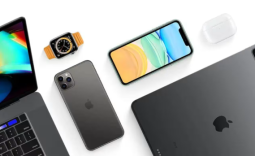
Apple is preparing a new way for people to access its pedigree of devices, as a new report from Bloomberg reporter and renowned Apple insider Mark Gurman has revealed the "Apple Upgrade" service, a new leasing program designed to make its hardware more accessible to a wider range of people.

Partnering with Klarna, Apple's new program will allow users to lease iPhones and Apple Watches for 24 months, and Macs and iPads for 36 months. At the end of the term, users can choose to keep the device, pay off the remainder, return it to the company, or upgrade to a newer model. The service is structured like any other subscription, and aims to shift device ownership from a one-time purchase to a recurring, more manageable expense, which translates to Apple having more of its products in more people's hands.
Popular Now: PS5 emulator running GTA 5 shows GTA 6 might be possible on PC before official releaseApple's upcoming service comes at a time when the company recently increased its hardware prices across its lineup, excluding the iPhone. With the leasing option, the company is trying to maintain demand among users who might otherwise delay or skip an upgrade, or see the price increase as the breaking point for an upgrade they otherwise would have purchased if it were the original or a lower price. The partnership with Klarna also signals Apple's willingness to experiment with new financial models to stay competitive in a tightening consumer market.

Frequently Asked Questions
Open a question for an answer from TweakTown's coverage of this news, or ask your own below.
What lease durations does Apple Upgrade offer for iPhones, Apple Watches, iPads, and Macs?
How will Apple Upgrade payments be structured — is it billed as a monthly subscription?
What role does Klarna play in Apple Upgrade and how does that affect signup or payments?
How might Apple Upgrade interact with existing Apple trade-in or upgrade programs?
Have a question about this content not listed here? Ask below and TweakBot will answer it.

With Apple Upgrade set to debut next week, the real test will be how consumers respond to a shift in ownership expectations, as current market sentiment around ownership is strained at best, with many immediately dismissing any form of digital or partial ownership of a product as a bastion against growing subscription-based payment schemes.