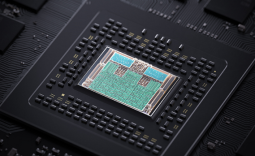
Samsung Electronics is struggling with its foundry division, but it is now pushing towards a special directive that sees Samsung Foundry staking its survival on its new 2nm process node.
In a new post by Chosun picked up by insider @Jukanrosleve on X, we're hearing that Samsung Foundry is set to lead the advanced semiconductor market later this year and into 2026, with the South Korean firm setting a goal to secure large tech companies by raising the 2nm process yields to 70% within the year.
Samsung Foundry has been recording trillions of won in operating losses quarter after quarter, while its new Taylor, Texas plant is set to spin up into operations in 2026. The company has been struggling with low utilization rates, with concerns that it continues to struggle getting orders from larger customers after its US-based foundry is established, the scale of its losses could get out of control and start eroding the company's entire operating profit.
Chosun reports that according to industry sources on July 7, based on the results of a management diagnosis of Samsung's foundry division conducted by the company's Business Support TF and Samsung Global Research, discussions have occurred with the DS (Devices Solutions) division management.
- Read more: Samsung Foundry 1.4nm node pushed to 2029, a full two years later than planned
- Read more: Samsung Foundry could make NVIDIA's next-gen GPUs on its in-house 2nm process node
- Read more: Samsung reportedly completes basic design of second-gen 2nm GAA process
- Read more: Samsung delays bleeding-edge 1.4nm node, puts its semiconductor eggs into its 2nm process
The company is already investing in customer cooperation and networks in the US market, all while trying to secure 2nm process orders. Samsung is focusing on recovering the trust it lost after failing to meet its promised performance and yields for its 5nm and 3nm nodes. After its recent SAFE (Samsung Advanced Foundry Ecosystem) 2025 event for the system semiconductor ecosystem, Samsung also introduced a roadmap that saw the postponing of its bleeding-edge 1.4nm process -- more in the stories above -- where customer demand is uncertain, to put its eggs into its 2nm process node.
Samsung needs to stabilize its 2nm process yield and secure local customers in the US before its Taylor, Texas-based plant is fully set up. Samsung already has Qualcomm as a client, but it needs to win orders from other big chip companies like the server chip foundry market, where it is currently weak -- especially against TSMC. These customers need to be AMD, NVIDIA, Broadcom, and others. The industry believes the fate of Samsung's foundry business depends on whether it can raise its 2nm process yield into the 60-70% level within the next 6 months, and supply chips at the performance and price points that customers demand.
Samsung's new 2nm process yield improves performance by around 12% and power efficiency by around 25% when compared to its 3nm yield, with the industry estimating that Samsung Foundry's 2nm yields are below 30% right now. There are also reportedly internal assessments that it's showing a better initial yield than before, but it remains to be seen if it can demonstrate productivity and performance on par with the likes of TSMC which has its 2nm chips in mass production. TSMC is known to have reached a 2nm process yield of around 60%.
A semiconductor industry official explained: "Although Samsung is struggling in the foundry business, it is a positive sign that it is in discussions about mass production for the 2nm process with multiple potential customers. Following the order to mass-produce a 2nm chip for the Japanese AI fabless (semiconductor design) company PFN last year, Samsung has recently been actively engaging with Qualcomm".