












AMD's next-gen Ryzen processors could come with a few new tricks to make your gaming smoother, if the rumor mill is right.

Zen 6 consumer CPUs are expected to arrive next year, and VideoCardz reports that according to the creator of the Hydra overclocking tool (Yuri Bubliy, known as '1usmus'), they will offer performance priority controls.
We're told that AMD is implementing a new feature called CPPC Performance Priority. (CPPC stands for Collaborative Processor Performance Control - which is a bit of a mouthful). The basic idea is simple enough: CPPC allows for higher clock speeds to be maintained on threads which are running processes that are important to the game currently being played.
We're told that it's a system that intelligently slows down other cores engaged in keeping background (non-gaming) tasks going, freeing up power to go to those important cores currently driving the game. This means you'll get a more sustained boost on those cores, and better performance in games without Zen 6 actually upping the clock speeds of the CPU itself.
Another feature Zen 6 could get is per-core EPP boost, which would ensure active cores (running the game) don't end up dipping in performance when waiting for the GPU (or another thread). This should help to ensure that 1% lows don't witness such large drops, and VideoCardz observes that an experiment with this capability on the Steam Deck improved those 1% lows by 31%.

Frequently Asked Questions
TweakBot answers common questions about this news using TweakTown's own coverage from this page and related content from our archive. Tap a question to reveal the answer, or type your own below.
What is CPPC Performance Priority and how will it affect gaming thread scheduling on Zen 6 CPUs?
How does CPPC Performance Priority shift power and clock headroom between gaming and background threads?
Are the CPPC and per-core EPP features expected to raise overall CPU clocks on Zen 6?
Will enabling CPPC Performance Priority require BIOS/OS support or driver updates?
Have a question not listed here? Ask below and TweakBot will answer it.

Obviously, treat all this with a lot of caution, and we don't know how any of this would pan out with Zen 6 CPUs even if it does happen (and it may not). However, it seems AMD is at least thinking hard about how to squeeze extra performance out of its next-gen Ryzen chips, even if these features aren't realized.



 AMD's next-gen Zen 6 desktop, laptop CPUs get leaked photos: meet Medusa Ridge and Medusa Point
 AMD's next-gen Zen 6 CPU samples are in the wild, more CPU cores, new 'dual' IMC design teased
 Biostar teases next-gen AMD motherboards to Computex 2026, and it could be our first look at the Zen 6 platform
 AMD's next-gen Medusa Ridge CPU leak: desktop Zen 6 processors with 24 cores, 48 threads coming
 AMD's next-gen Zen 6-powered Ryzen desktop CPUs delayed to 2027
 Per-chip VRAM temperature monitoring arrives on AMD Navi GPUs with new HWiNFO64 pre-release version
 KIOXIA showcases next-gen PCIe 6.0 NVMe SSDs at Future of Memory and Storage
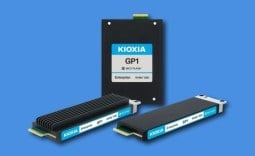 KIOXIA's new GP1 Series PCIe 6.0 SSDs unlock 10 million random read IOPS
 Google Earth quickly added and removed AI image generation for obvious reasons
 Google, Amazon, Microsoft and Meta have reportedly spent over $1 trillion on AI
 3D-printed chimney drops Ryzen 7 9800X3D CPU temperature by almost 20 degrees
 AYANEO's KONKR Pocket Advance is a new gaming handheld that looks like a Game Boy Advance
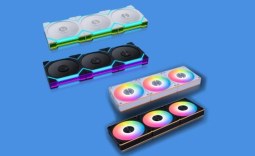 LIAN LI launches new affordable wireless Uni Fan SL Flex and Uni Fan CL Flex fans
 Half of Xbox Series discs need downloads to work properly, and PlayStation is not far behind, report shows
 Xbox consoles get more expensive in Europe, Series S now costs as much as Series X did at launch
 Thinkware U3000 Pro Review - Smart Dashcam with Wi-Fi quirks
 Montech TG3 Mid-Tower Chassis Review
 ASUS ROG Strix X870E-A Gaming WiFI7 Neo Review - A New Enticing Option
 Noctua NL-LC1-36 Liquid CPU Cooler Review
 Logitech G316 X 98 Wired Gaming Keyboard Review - Retro-Inspired Board that Falls a Little Short
 Biwin M560 2TB SSD Review - Best Overall Retail-Ready DRAMless SSD
 Logitech G512 X 98 Analog Mechanical Gaming Keyboard Review - An Innovative Two-in-One
 Thrustmaster T.Flight HOTAS 5 MSFS Edition Review
 SteelSeries Arctis Nova Pro Omni Wireless Headset Review - One Headset to Rule Them All
 SteelSeries Arctis Nova 7 Wireless Gen 2 Headset Review - New and Improved, But Is It Enough?
 How to tell if someone has been using your Windows PC without your permission
 6 Task Manager tips for troubleshooting Windows performance problems
 ASUS ROG's 20th Anniversary Line-up of Premium PC Gaming Gear has Arrived - Here's Everything You Need to Know
 Six File Explorer tips every Windows user should know
 I switched my PC to encrypted DNS in Windows 11, and browsing felt more private
 Printer Not Working in Windows? How to fix detection, print queues and drivers
 The Ultimate Guide to Personalizing Your Windows 11 Taskbar
 How to Turn Your Windows Laptop Into a Second Monitor with Miracast and Wireless Display in Minutes
 6 Mistakes to Avoid When Buying a Windows Laptop
 I capped Windows Update's bandwidth with Delivery Optimization, and my downloads stopped choking