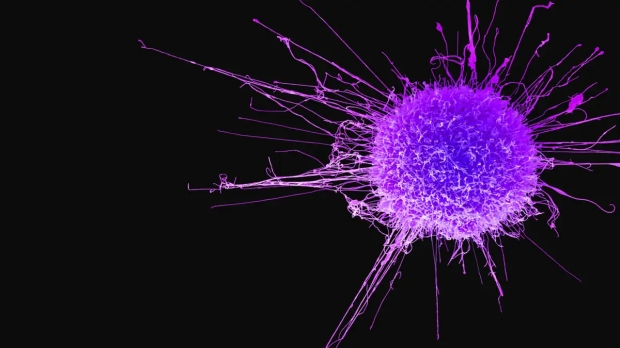




A study on the cancer breakthrough titled "A covalent inhibitor of K-Ras(G12C) induces MHC class I presentation of haptenated peptide neoepitopes targetable by immunotherapy" has been published in the journal Cancer Cell.
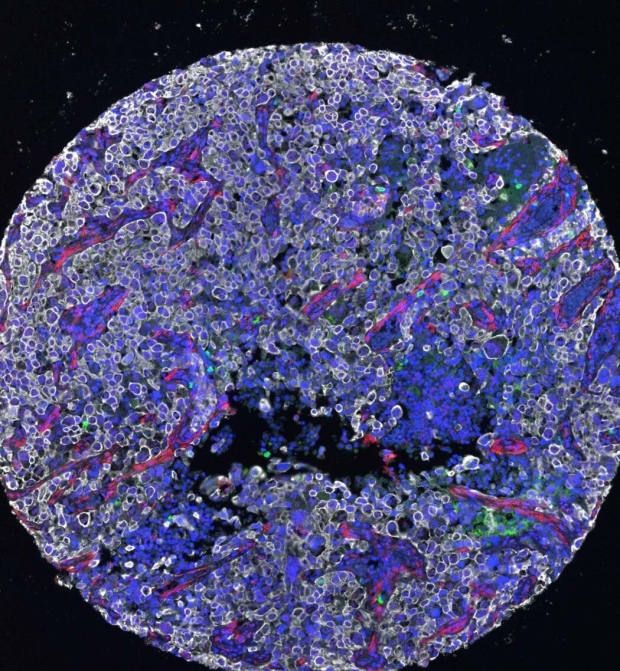
Researchers from the University of California San Francisco (UCSF) have developed a new drug called ARS1620 that can signal cancer cells to the body's immune system so they can be destroyed, where they might normally be able to evade the immune system with various defense mechanisms. A mutated copy of the KRAS protein found in cancer cells is pulled to the surface of the cell, and the complex formed by the protein and the drug serves as an "eat me" flag.
The mutated KRAS protein is found in roughly a quarter of all tumors, making the mutated gene responsible for the protein one of the most common genetic mutations in cancer, and it helps drive the growth of tumor cells. The immune system can already recognize a mutated KRAS protein and act on it but struggles to find it. Therefore, using the new drug helps the immune system recognize and kill cancer cells.
"This mutated protein is usually flying under the radar because it's so similar to the healthy protein. But when you attach this drug to it, it gets spotted right away," said Charles Craik, Ph.D., a lead study author and professor of pharmaceutical chemistry at UCSF.
"It's exciting to have a new strategy leveraging the immune system that we can combine with targeted KRAS drugs. We suspect that this could lead to deeper and longer responses for cancer patients," said Charles Craik, Ph.D., a lead study author and professor of pharmaceutical chemistry at UCSF.
You can read more from the study here.