Newsletter IconFacebook IconX IconThreads IconInstagram IconYouTube IconPinterest Icon
Giveaway: Win an ADATA SE880 2TB Portable External SSD

AI ports The Legend of Zelda: Ocarina of Time to iPhone and iPad

A solo developer has used AI to create a native port of the Nintendo 64 classic The Legend of Zelda: Ocarina of Time for iPad and iPhone.

AI ports The Legend of Zelda: Ocarina of Time to iPhone and iPad
Comments
Senior Editor
Published
1 minute & 30 seconds read time
TL;DR: A solo developer used AI (Codex 5.6 Sol/GPT-5.6) to produce a native iOS/iPadOS ARM64 Metal port of The Legend of Zelda: Ocarina of Time, offering touch controls, widescreen high-res rendering, and 60FPS. The app on GitHub relies on the decompiled Ship of Harkinian source and requires the game ROM for assets.
Voice: Kosta Andreadis
0:00 / 2:19
Use left and right arrow keys to seek audio.

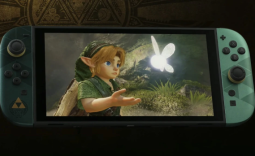
One of the biggest advances in the AI space over the past year has come from its ability to speed up development and programming, to the point where "vibe coding" means people can create apps and software without any formal coding experience or background. This is why we've got a story like this, where a developer (Kahris) was able to port the Nintendo 64 classic The Legend of Zelda: Ocarina of Time to iOS and iPadOS.

The Legend of Zelda: Ocarina of Time for iPad and iPhone, image credit: GitHub/Kahris.

And it's a native port, too, which means support for touch controls, high-resolution widescreen display, and a smooth 60FPS. Compared to the N64 original's 240p resolution and 20FPS or so gameplay, it's a massive improvement. With porting duties handled by Codex 5.6 Sol, OpenAI's flagship GPT-5.6 model, it's an impressive feat, but also one that sits on the shoulders of existing work by talented human coders.

Although Codex 5.6 Sol impressively rebuilt the game for iOS as a native ARM64 app, rendered by Metal, it's based on the decompiled Ship of Harkinian source port of The Legend of Zelda: Ocarina of Time, written in the programming language C.

Kahris has made this full Ship of Harkinian source port available as a native iOS/iPadOS app on GitHub, but like all decompiled native N64 game ports, a ROM of The Legend of Zelda: Ocarina of Time is required to play the game for all of the copyrighted art, music, and other assets that aren't code.

Frequently Asked Questions

TweakBot answers common questions about this news using TweakTown's own coverage from this page and related content from our archive. Tap a question to reveal the answer, or type your own below.

Question #1

How did the developer Kahris create the native iOS/iPadOS port of The Legend of Zelda: Ocarina of Time?

Kahris used OpenAI Codex 5.6 Sol to handle the porting, rebuilding the game as a native ARM64 iOS/iPadOS app rendered with Metal and adding touch controls, widescreen support, and 60FPS performance. The port is based on the decompiled Ship of Harkinian C source port of The Legend of Zelda: Ocarina of Time, and Kahris has published the full source as a native app on GitHub, though a ROM is still required for the copyrighted game assets.
Answered
Question #2

Is the iOS/iPadOS port available on GitHub and what does the repository contain?

Yes. The developer Kahris has published the full Ship of Harkinian source port as a native iOS/iPadOS app on GitHub (chrissotraidis/harkinianpad). The repository contains the native ARM64 iPhone and iPad port rebuilt from the decompiled Ship of Harkinian C source, using Metal for rendering and supporting touch controls, widescreen, and 60FPS. It requires a ROM of The Legend of Zelda: Ocarina of Time for the copyrighted art, music, and other assets.
Answered
Question #3

What platform technologies (CPU architecture and graphics API) does the port use on iPhone and iPad?

The port is built as a native ARM64 app and uses Apple's Metal graphics API for rendering. These platform technologies apply to both the iPhone and iPad versions.
Answered
Question #4

What prior reverse‑engineering work enabled a non‑emulated native port of Ocarina of Time?

Have a question not listed here? Ask below and TweakBot will answer it.

Porting the game over to iPhone and iPad is an impressive achievement and showcase for AI. Still, it's worth noting that being able to play a non-emulated native version of The Legend of Zelda: Ocarina of Time is only possible thanks to the work of a small team that spent 21 months reverse engineering and decompiling the original N64 release.

Photo of the VIOFO A329S Dash Cam

Best Deals: VIOFO A329S Dash Cam

Prices last scanned 2 hours and 22 minutes ago

* Prices may be inaccurate. As an Amazon Associate, we earn from qualifying purchases. We earn affiliate commission from any Newegg or PCCG sales.

News Sources:wccftech.com, github.com, and x.com

Comments

Senior Editor

Email IconX IconLinkedIn Icon

Kosta is a veteran gaming journalist that cut his teeth on well-respected Aussie publications like PC PowerPlay and HYPER back when articles were printed on paper. A lifelong gamer since the 8-bit Nintendo era, it was the CD-ROM-powered 90s that cemented his love for all things games and technology. From point-and-click adventure games to RTS games with full-motion video cut-scenes and FPS titles referred to as Doom clones. Genres he still loves to this day. Kosta is also a musician, releasing dreamy electronic jams under the name Kbit.

Stay Updated

Follow TweakTown for breaking tech news, reviews, and daily updates.

Add TweakTown as a preferred source on GoogleFind TweakTown on Apple News
Newsletter Subscription