













Lexar's lineup of THOR DDR5 memory for desktops, compatible with AMD and Intel systems, is built for high-performance and PC gaming. With vibrant RGB lighting, aluminum heatsinks, and support for Intel XMP and AMD EXPO overclocking, these are the sort of modules and kits that you'd install in a high-end gaming rig.

According to a new report over at IT Home (via TechPowerUp), Lexar's upcoming THOR II DDR memory kits will be built using CXMT (ChangXin Memory Technologies) chips. Now, the use of memory chips from Chinese companies is making its way to global markets, which is not uncommon in 2026 thanks to the current memory crisis, but this move from Lexar is notable because it highlights the progress CXMT has made with its memory.
The report notes that these new Lexar THOR II DDR5 memory kits will arrive in 32GB dual-channel form, with two 16GB modules, supporting speeds up to DDR5-7600 (7,600 MT/s).
What makes this a competitive option for enthusiast-class performance and PC gaming is that the DDR5-7600 on these new CXMT-powered THOR II DDR5 memory kits is hitting both 7,200 and 7,600 MT/s with CL38 timings at only 1.4V. Prior to this, CXMT DRAM was limited to kits with a maximum supported speed of DDR5-6000 (6,000 MT/s).

Frequently Asked Questions
TweakBot answers common questions about this news using TweakTown's own coverage from this page and related content from our archive. Tap a question to reveal the answer, or type your own below.
Will Lexar offer the THOR II DDR5-7600 kits in capacities other than 32GB dual-channel (2x16GB)?
Are the Lexar THOR II DDR5 kits with CXMT chips compatible with Intel XMP and AMD EXPO profiles out of the box?
How does the advertised CL38 latency at 1.4V for CXMT-powered kits compare to equivalent Samsung, SK Hynix, or Micron DDR5-7600 kits in TweakTown reviews?
Will Lexar sell the CXMT-based THOR II modules individually (single sticks) or only as pre-binned dual-channel kits according to available coverage?
Have a question not listed here? Ask below and TweakBot will answer it.

This sees CXMT close the gap, performance-wise, with the big memory makers like Samsung, SK Hynix, and Micron - companies that have seemingly all but abandoned the consumer technology market in lieu of data center-grade AI all day, every day.


 KLEVV unveils new URBANE V RGB DDR5 Gaming OC memory: speeds of up to 8400 MT/s
 ASUS AEMP lets users optimize mixed JEDEC DDR5 memory kits without XMP on Intel Z890 and B860 boards
 ASUS enters the memory business and launches its first 'ROG' DDR5 RAM modules
 GeIL brings plug-and-play DDR5 memory, offering 8000MT/s speeds without EXPO or XMP needed
 COLORFUL adds stylish 'Loong Edition' DDR5 Memory to its iGame Year of the Dragon line-up
 KeyBoy Advance is a compact keyboard designed to look and be held like a Game Boy Advance, and it's expensive
 GeForce Game Ready driver for DOOM: The Dark Ages big expansion and Assassin's Creed's return is here
 Elder Scrolls Online team affected by layoffs, devs uncertain about MMORPG's future with such a small team
 PlayStation didn't warn anyone before announcing the end of physical discs, not even its own offices
 Report: Game Pass day one releases were controversial behind the scenes at Xbox
 RTX 5080 Super appears in Seasonic PSU calculator with 24GB GDDR7 and 415W TDP
 IO Interactive acquires Project Fantasy IP, but closes Istanbul studio
 Valve's Steam Machine can now run Windows officially but requires wiping SteamOS first
 Report: Xbox lays off nearly half of id Software, Doom and Quake still priorities
 Console makes up 80% of Xbox's business as Microsoft plots next-gen Helix console
 Simagic Zeus Formula Steering Wheel Review: premium build and advanced inputs for F1 racing
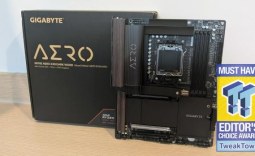 GIGABYTE X870E Aero X3D Dark Wood Review - A woody goody
 The Super Mario Galaxy Movie (2026) 4K Ultra HD Blu-ray Review
 KTC H49S66 5K2K (5120x1440) 49-inch 180Hz Gaming Monitor Review
 HighPoint Rocket 1604L Gen5 x16 NVMe Software RAID AIC Review: half the price with full 59 GB/s speed
 Next Level Racing ERS3 Haptic Seat Review: immersive sim racing comfort with integrated haptics
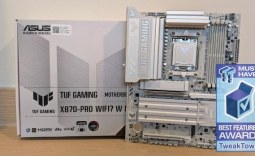 ASUS TUF Gaming X870-Pro WiFi7 W NEO Review - Tuffed up
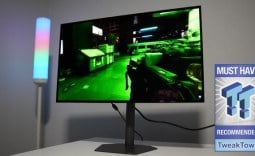 GIGABYTE GO27Q24G Gaming Monitor Review: Glossy OLED Gaming at 240Hz
 Lian Li B4-mATX Review: a compact mATX SFF case with excellent airflow and premium features
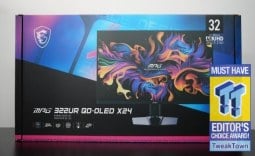 MSI MPG 322UR QD-OLED X24 Review: A Brighter, Tougher 4K 240Hz QD-OLED for $1099
 6 PC cleaning mistakes to avoid for safer hardware maintenance
 Phison and Intel Take Aim at Local AI's Memory Wall with aiDAPTIV
 How to Remap Keyboard Keys in Windows using Microsoft PowerToys
 7 tips to organize your Windows files for faster, easier access
 Intel Arc G3 Extreme first impressions with MSI's Claw 8 EX AI+ - Incredible power for an extreme price
 How to fix Wi-Fi Adapter Not Working on Windows laptops: troubleshooting tips
 Hisense U7SG 4K TV: Modern Entertainment for the New Age
 6 underrated Microsoft Word features worth using to boost your productivity
 Level Up Your PC Gaming with these Fantastic ASUS Prime Day Deals on GPUs, Motherboards, and More
 GIGABYTE Wants to Kickstart Your New Gaming PC or Upgrade with These Limited-Time Deals