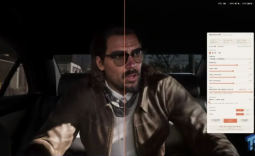


A bank CEO has admitted to using an AI clone to host a conference call, and no one realized it wasn't him until he revealed it almost an hour into the meeting.

The incident, revealed in a recent interview, has the tech and corporate worlds buzzing, which was more than likely the intention of the stunt. The CEO of Customers Bank, Sam Sidhu, described the AI system as a real-time voice and language model trained to mimic his speech and decision-making, even handling follow-up questions with consistency and nuance.
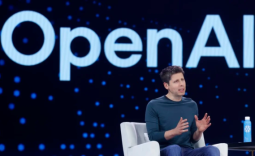
He framed the stunt as a test of AI's capabilities, calling it "a bit of a prank" but also a demonstration of how automation can streamline high-level communication. The AI version of the CEO performed so convincingly that investors and stakeholders never suspected it wasn't the real person on the line. Notably, Customers Bank signed a deal with OpenAI last week, which enabled the AI company to integrate its AI agents into the banking giant.
For some, this isn't just a quirky CEO experiment; it's a glimpse into a future where AI handles corporate communications, boardroom meetings, and investor briefings. As AI voice cloning becomes more accessible, the line between humans and machines blurs, but at the cost of privacy and a substantial increase in the risks of misuse. For example, deepfakes and synthetic media are already a headache for security and trust; now, picture those problems amplified by the stakes in some of the highest echelons of business.
If an AI can replace a CEO for a call, what's stopping it from making executive decisions? Or perhaps even running an entire company at the helm as a CEO. Or perhaps even a board consisting of a council of AI agents? It appears the possibilities are endless in the world of AI.