

SK hynix has announced that its new 256GB DDR5 RDIMM server memory modules have been approved by Intel for its new Xeon 6 platform.

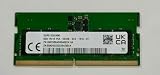
In a new press release, SK hynix said its new high-capacity 256GB DDR5 server memory modules based on 1b 32Gb have been verified for compatibility with Intel's next-gen Xeon 6 platform. The new registered memory (RDIMM) is a buffered module type of RAM used in servers and workstations, with testing and validation completed at Intel's Advanced Data Center Development Laboratory in the US.
Popular Now: Developer abandons PS5 Linux project after people found a Hypervisor bug and reported it to SonySK hynix says that servers using its new 32Gb based 256GB RDIMM memory module will enjoy 16% more inference performance versus its 128GB modules on 32Gb DRAM, as well as up to 18% more power efficiency versus existing 256GB RDIMMs based on its 1a 16Gb DRAM modules, using a design built around a single 32Gb DRAM chip.
SK hynix said in its press release: "We have proven that our high-capacity DDR5 module technology is the world's best by being the first in the industry to be verified for compatibility with Intel's latest server platform, which leads the server CPU market".
The company continued: "We will use this as a stepping stone to expand cooperation with major global data center operators and continue our leadership in the next-generation memory market by responding in a timely manner to the rapidly growing demand from server customers".
SK hynix Vice President Lee Sang-kwon (in charge of DRAM product planning) said: "We have solidified our leadership in the server DDR5 DRAM market and can now respond quickly to customer needs. As a full-stack AI memory creator, we will actively respond to the growing demand for high-performance, low-power, and high-capacity memory to drive customer satisfaction".
Dimitrios Ziakas, vice president of Platform Architecture at Intel, added: "The close collaboration between our two companies has resulted in excellent results and contributed to the advancement of memory technology. The high-capacity module will meet the rapidly growing demands of AI workloads and significantly improve the performance and efficiency that data center customers want".