












SpaceX is rocketing towards its plans for an initial public offering (IPO) that has the Elon Musk-led company targeting a valuation of around $1.5 trillion, making it the biggest stock-market listing of all time.
In a new report from Bloomberg, SpaceX's management and advisers are pursuing a listing as soon as mid-to-late 2026, according to people who (as usual) asked to not be identified because the matter is confidential. Elon Musk and SpaceX's board of directors advanced plans for the listing and fundraising -- including hiring for key roles and how it would spend the capital.
Starlink is an incredibly awesome technology and service and is continuously growing, as well as the new promise of direct-to-cell business, as well as the development of SpaceX's exciting Starship moon and Mars rocket. SpaceX is expected to make around $15 billion in revenue in 2025, increasing to between $22 billion and $24 billion in 2026, with most of those sales coming from Starlink.
SpaceX would most likely use some of the additional funds raised through an IPO to develop incredibly important space-based data centers, which would include purchasing the chips required to run them.
In the current secondary offering, SpaceX has set a per-share price of around $420 (would you expect anything else from Elon?), which puts its valuation above the $800 billion previously reported. SpaceX is also allowing its employees to sell around $2 billion worth of stock, with SpaceX also participating in buying back some of those shares, according to sources of Bloomberg.
SpaceX and Tesla founder Elon Musk recently took to his X platform, where he said: "There has been a lot of press claiming @SpaceX is raising money at $800B, which is not accurate. SpaceX has been cash flow positive for many years and does periodic stock buybacks twice a year to provide liquidity for employees and investors. Valuation increments are a function of progress with Starship and Starlink and securing global direct-to-cell spectrum that greatly increases our addressable market. And one other thing that is arguably most significant by far".
He replied to his post, adding: "While I have great fondness for @NASA, they will constitute less than 5% of our revenue next year. Commercial Starlink is by far our largest contributor to revenue. Some people have claimed that SpaceX gets "subsidized" by NASA. This is absolutely false. The SpaceX team won the NASA contracts because we offered the best product at the lowest price. BOTH best product AND lowest cost. With regard to astronaut transport, SpaceX is currently the only option that passes NASA safety standards".


 Elon Musk is the world's first trillionaire - enough to spend $1 million a day for nearly 3,000 years
 SpaceX could go public at a valuation larger than most countries' economies
 Elon Musk responds to $52 billion deal between SpaceX and Foxconn for insane NVIDIA compute
 Tesla plans to use Intel's next-gen 14A process for its TeraFab project
 Tesla Cybercab specs spotted in official EPA filing: battery, total range, weight
 Microsoft's still working on Windows 11 File Explorer improvements, and it's now making deleting large files speedier
 Hacking group Anonymous targets Sony over deciding to kill PlayStation discs
 Top 5 PS Store pre-orders in US are all $100+ games
 Anthropic responds after Claude conversations appeared in Google Search results
 Steam Workshop maps infected players with malware and took over a 100,000-member Discord
 MSI launches compact PRO MAX EDGE AI+ desktops, with up to Ryzen AI Max+ 395 and 128GB of memory
 ASRock launches new 27-inch QHD QD-OLED Phantom Gaming monitors
 Framework says current memory prices are 'far beyond anything we're able to absorb'
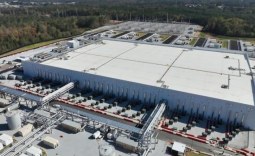 US data centers on track to use up 20% of the entire country's power by 2035
 Valve can't catch a break as Snapdragon price hike threatens Steam Frame
 Thrustmaster T.Flight HOTAS 5 MSFS Edition Review
 SteelSeries Arctis Nova Pro Omni Wireless Headset Review - One Headset to Rule Them All
 SteelSeries Arctis Nova 7 Wireless Gen 2 Headset Review - New and Improved, But Is It Enough?
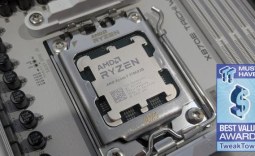 AMD Ryzen 7 7700X3D Review - Days of Future Past
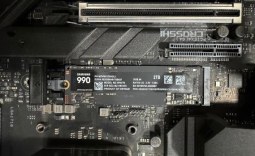 Samsung 990 2TB SSD Review - Ninth Gen QLC at PCIe Gen4 Speeds
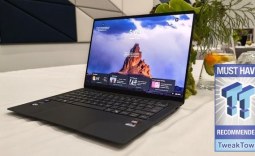 ASUS ExpertBook Ultra (Panther Lake) 14" Business Laptop Review
 ASUS ROG Raikiri II Xbox Wireless Controller Review - Ready to Take Control
 MOZA FMP18 Panel Bundle Review: authentic F/A-18 Hornet cockpit controls for flight sims
 Micron 6600 ION 245.76TB Enterprise SSD Review - Best in Class Programming Speeds
 MOZA MA3F EFCM Flight Control Module Review: authentic Airbus A320 autopilot panel for simulators
 Printer Not Working in Windows? How to fix detection, print queues and drivers
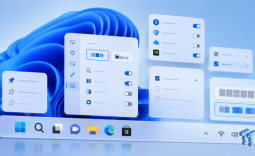 The Ultimate Guide to Personalizing Your Windows 11 Taskbar
 How to Turn Your Windows Laptop Into a Second Monitor with Miracast and Wireless Display in Minutes
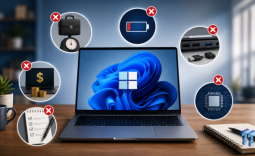 6 Mistakes to Avoid When Buying a Windows Laptop
 I capped Windows Update's bandwidth with Delivery Optimization, and my downloads stopped choking
 I use this decade-old free tool that finds files faster than Windows Search does
 I install and update most of my apps with this Windows command now, and I stopped downloading sketchy installers
 Hisense U6SF 65-inch MiniLED TV: High Performance Meets Leisurely Convenience
 I stopped digging through Windows menus after I set up this one folder
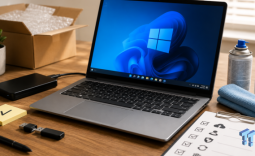 Don't sell your Windows laptop until you do these things