












Microsoft is experimenting with a totally different way to cool AI chips by using microfluidics to deliver liquid directly inside of the silicon. Check it out:
Unlike using regular cold plates that are positioned on top of the chip and are blocked by packaging layers, Microsoft's new approach cuts tiny channels into the silicon itself, where coolant flows through the grooves and drags heat away from the source.
Microsoft says that in its tests, the use of microfluidics removed heat up to 3x more effectively than cold plates, and that it also sliced the maximum GPU temperature rise by 65%, depending on the workload and the chip type. AI models were also used to map hotspots on the chip, and to direct the coolant with increased precision.
The company adds that it would make new servers smaller, reduce datacenter power costs, and extend the lifespan of GPU and AI accelerators. As next-gen semiconductors continue to get hotter and hotter with each generation, Microsoft warns that cold plates might not be sufficient in the next 5 years, which is why there's work being done now with partners to refine this new technology, from packaging to coolant chemistry to full server integration.

Judy Priest, corporate vice president and chief technical officer of Cloud Operations and Innovation at Microsoft, explains: "Microfluidics would allow for more power-dense designs that will enable more features that customers care about and give better performance in a smaller amount of space. But we needed to prove the technology and the design worked, and then the very next thing I wanted to do was test reliability".



 AMD Threadripper PRO 9995WX mod: custom IHS as waterblock, keeps CPU under 50W at 1550W power
 Next-gen Xbox will be a 'high-end, curated experience,' Xbox president hints AI is a major part
 SK hynix reportedly making High Bandwidth Storage (HBS): stacked chips for next-gen smartphones
 Project Helix could see ASUS and MSI build their own Xbox-style consoles
 AMD and AWS are speeding up timeline for next-gen glass substrates to compete against NVIDIA
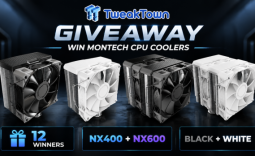 Giveaway: 12 Winners Will Score MONTECH NX400 and NX600 CPU Coolers
 Over a million LinkedIn posts have been flagged as AI slop in the button's first month
 BIOS modded single-slot AMD Pro GPU from 2016 can play Cyberpunk 2077 at up to 60 FPS at 1080p
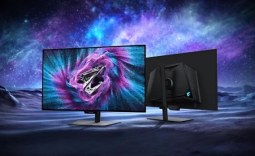 GIGABYTE's next-gen 4K 32-inch AORUS ELITE gaming monitor with Tandem WOLED panel delivers 1,500 nits of HDR peak brightness
 Sony reminds players they don't actually own digital PlayStation games amid disc-production backlash
 GTA 6 'build' that's 113GB in size is currently circulating online, and it's fake
 Windows 11 update has broken some PC games, and RGB lighting could be the issue
 Assassin's Creed Odyssey becomes the highest-rated entry in the franchise, thanks to Nolan's 'The Odyssey'
 PlayStation gamers' planned week-long 'PS Blackout' begins today
 Nintendo Switch 2 will rise to £419.99 in the UK, starting September 1
 One retailer says 91% of attempts to buy DDR5 memory are coming from bots
 ASUS ROG Strix OLED XG34WCDMS Review: Tandem OLED Takes Ultrawide Gaming Further
 Cooler Master MasterFan A120 Fan Review
 GIGABYTE MO27Q2A Gaming Monitor Review: 1440p, 280Hz, and QD-OLED is a winning combination
 Cooler Master V8 ACE 3DHP BLACK CPU Cooler Review
 ASUS ROG Strix XG129C Review: A $199 Gaming Monitor You Don't Play Games On
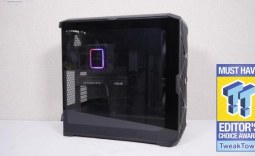 Cooler Master HAF II 500 Mid-Tower Chassis Review
 Corsair HS35 v3 Wireless Gaming Headset Review - An Affordable Winner
 D-Link F518 5G Wi‑Fi 6 AX1800 Mobile Hotspot Review: All-Day Mobile Hotspot
 Bose Lifestyle Ultra Speaker Review - Impressively Detailed Room-Filling Sound
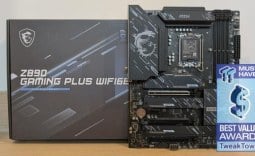 MSI Z890 Gaming Plus WIFI6E Review - Z890 for under $200
 Using Multiple Monitors? Change these Windows settings for a Better Experience
 Windows Sandbox is The Windows Security Feature Most People Never Use
 I ditched the Windows 11 context menu for this open-source tool, and here's why
 Windows 11 may be encrypting your drive already, and I checked where my recovery key went
 GIGABYTE's 40 Days of INFINITY celebrates 40 Years of Innovation with stunning GeForce RTX graphics cards and rewards
 I swapped File Explorer for this free file manager and finally got the layout I wanted
 How to tell if someone has been using your Windows PC without your permission
 6 Task Manager tips for troubleshooting Windows performance problems
 ASUS ROG's 20th Anniversary Line-up of Premium PC Gaming Gear has Arrived - Here's Everything You Need to Know
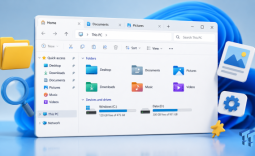 Six File Explorer tips every Windows user should know