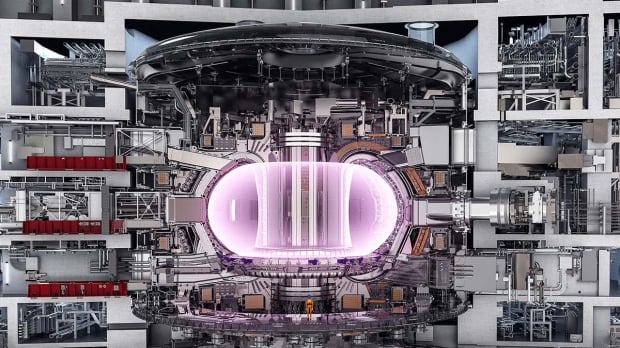




The project behind the world's biggest nuclear fusion reactor, which is a device that is designed to replicate the process that takes place within the fun, consists of a collaborative effort between 500 scientists and engineers, plus more than 70 different companies throughout Europe and Japan.
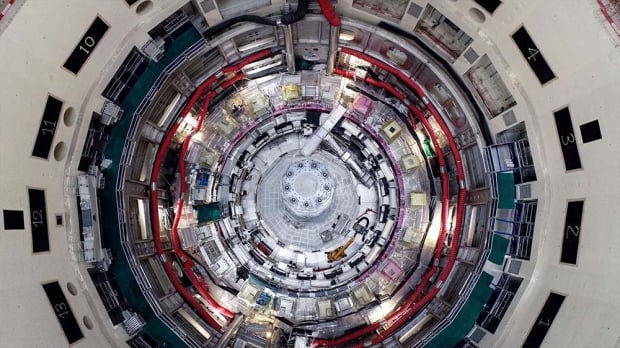
Achieving nuclear fusion is the process of combining two elements into one. The conditions on which to do this are tough and require a large six-story high machine that is capable of swirling plasma that is heated up to 2200 million degrees. Once the conditions reach the appropriate levels, fusion takes place between the elements, and heat and light are created as a result. Being able to replicate the process that takes place within the Sun would mean unlimited clean energy and would change the energy crisis globally.
However, it's extremely difficult to maintain the right conditions to make nuclear fusion take place, but researchers at the National Ignition Facility at Lawrence Livermore National Laboratory in the United States achieved what is called "net energy gain," which means they were able to generate more energy than what it costs them to run the experiment. A critical step toward achieving a sustainable nuclear fusion reactor.
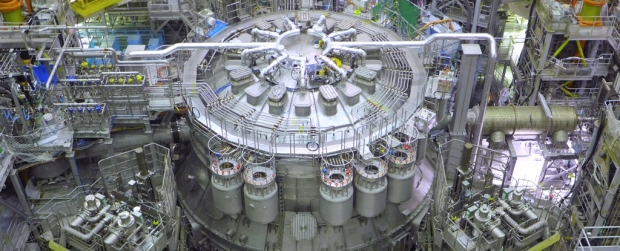
The scientific achievement of reaching "net energy gain" was even praised by the US government, which described the result as a "landmark achievement".
"Fusion has the potential to become a key component for energy mix in the second half of this century," said EU energy commissioner Kadri Simson
For more information on this story, check out this link here.