












Researchers from the University of Adelaide have published a new study in Disease Models and Mechanisms examining the link between energy production in the brain and Alzheimer's disease.

The research team studied the brains of young adult zebrafish, which had genetic mutations associated with early-onset Alzheimer's disease. Zebrafish were the ideal candidate for the study, as they produce large families in which subtle effects can be more easily detected.
The Alzheimer's disease mutations affected brain cell function in various ways but notably impacted the cells' ability to use oxygen to produce energy. Energy production is the most fundamentally important process within a cell, a necessary prerequisite for the rest of its functions. In highly active organs like the brain, impacts on energy availability have serious consequences.
"This is very interesting because we know when Alzheimer's disease eventually develops, people's brains become severely deficient in energy production," said Dr. Karissa Barthelson from the University of Adelaide's Alzheimer's Disease Genetics Laboratory.
"When we realized this common link we took our research one step further and re-analyzed data from another research group that had studied an important Alzheimer's disease gene in mice. We could see a similar effect, and this reinforces our confidence that we have found a fundamental, early driver of Alzheimer's disease in humans," continued Barthelson.
You can read more from the study here.


 Researchers create new microchip design that abandons electricity for sound and light
 Scientists trying to merge human neurons with semiconductors, human brain to power the future
 Scientists discover naturally impossible color by hacking a human eye
 Japan advances use of synthetic diamonds to power semiconductors: 33x the electrical strength
 Collective Shout Interview: 'Steam's Sexual Violence Game Defenders Are Abusers in Real Life'
 Phantom Blade Zero on PC will launch with DLSS 4.5 and Ray Tracing on day one
 Razer announces its first Artisan Keycap with the Triple-Headed Snake Edition
 ZOTAC's 20th Anniversary Edition GeForce RTX 5080 features a titanium colorway and mirror-like backplate
 GeForce NOW app for Linux leaves beta, while DLSS Frame Generation cloud latency also improves
 Twitch opts streamers into gen AI training by default, faces harsh backlash
 Sean Murray still plays the 2016 launch version of No Man's Sky
 China's YMTC has climbed to third place in global NAND flash shipments
 $100 GTA 6 version makes up 89% of pre-orders, analysts estimate
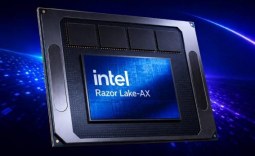 HWiNFO's latest update quietly confirms Intel is working on Razor Lake-AX
 Nintendo puts Switch 2 price increase warnings on store demo kiosks ahead of September 1 hike
 D-Link F518 5G Wi‑Fi 6 AX1800 Mobile Hotspot Review: All-Day Mobile Hotspot
 Bose Lifestyle Ultra Speaker Review - Impressively Detailed Room-Filling Sound
 MSI Z890 Gaming Plus WIFI6E Review - Z890 for under $200
 Mortal Kombat (1995) 4K Ultra HD Blu-ray Review
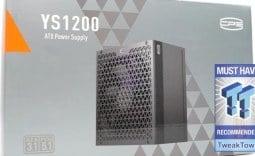 CPS PCCOOLER YS1200 ATX 3.1 80 PLUS Gold PSU Review
 ASRock X870E Taichi White Review: a premium AM5 motherboard with 10G LAN and WiFi 7
 Asetek Initium Pedal Modular Upgrades Review
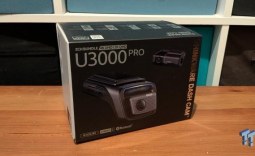 Thinkware U3000 Pro Review - Smart Dashcam with Wi-Fi quirks
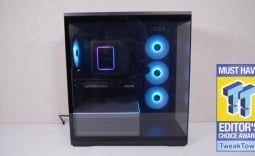 Montech TG3 Mid-Tower Chassis Review
 ASUS ROG Strix X870E-A Gaming WiFI7 Neo Review - A New Enticing Option
 I ditched the Windows 11 context menu for this open-source tool, and here's why
 Windows 11 may be encrypting your drive already, and I checked where my recovery key went
 GIGABYTE's 40 Days of INFINITY celebrates 40 Years of Innovation with stunning GeForce RTX graphics cards and rewards
 I swapped File Explorer for this free file manager and finally got the layout I wanted
 How to tell if someone has been using your Windows PC without your permission
 6 Task Manager tips for troubleshooting Windows performance problems
 ASUS ROG's 20th Anniversary Line-up of Premium PC Gaming Gear has Arrived - Here's Everything You Need to Know
 Six File Explorer tips every Windows user should know
 I switched my PC to encrypted DNS in Windows 11, and browsing felt more private
 Printer Not Working in Windows? How to fix detection, print queues and drivers