










Microsoft is bringing the metaverse to Xbox, but their approach will remain the same as it is now: Put gamers at the center of everything.
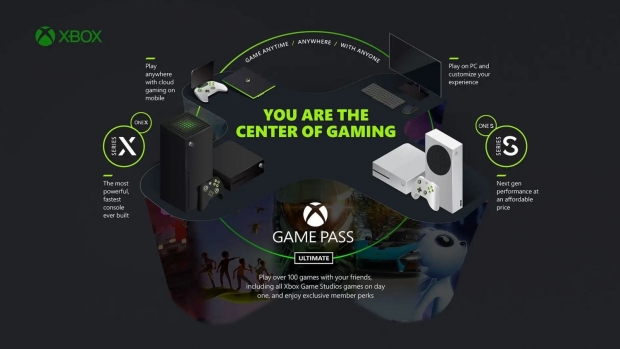
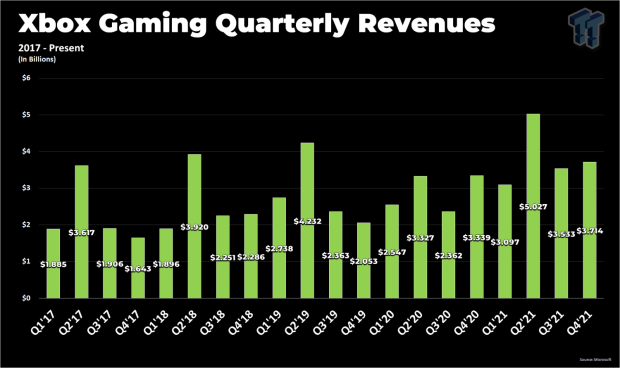
Microsoft has built a billion-dollar service empire out of one core concept: Gamer-centric delivery. First Microsoft used Windows to connect Xbox consoles to PC, then they created Project xCloud to deliver games to laptops, phones, and tablets. Now they're using services--what they're best at--to deliver games on multiple platforms. The ethos that drives this ever-spinning billion-dollar flywheel (Xbox gaming made $15 billion in FY21) is basically this: "What's good for gamers is good for a company."
This makes sense and is perfectly rational, if not obvious. Xbox is a gaming division, so it behooves Microsoft to put gamers first (and what are gamers anyway other than engaged consumers?). Microsoft is also applying this concept to its nebulous plans for the metaverse, a new emerging trend that should incorporate all of Xbox's core strengths into one virtualized ecosystem of products, services, content, and most importantly, connectivity.
In a recent interview with Protocol, Xbox's Phil Spencer gave a few reassurances on Microsoft's early plans for the metaverse. We don't know exactly what Microsoft is doing with the metaverse outside of virtualized avatars that allow people to come together with its new Mesh program.
"We're spending a lot of time as leaders coming together talking about the learnings that we've had and how the technical underpinnings might come together. But more fundamental to me is why Microsoft? Like, why is this metaverse that a lot of people are focusing on, why is it better for players? Why is it better for creators?
"I think it's easy for a lot of tech companies to describe why the metaverse might be better for their company. But we've just learned that if we put the player at the center, to use my gaming vocabulary again, and try to build an ecosystem that works around their needs and creator needs, that the platform dynamic will take off."
Read Also:Microsoft continues aggressive investment into gaming
Microsoft is no hurry to push the metaverse and will watch as other major players like Facebook (now named Meta) explore the frontier. Like its plans for VR and AR, Microsoft can simply watch on the sidelines while its Game Pass service-and-hardware-oriented flywheel continues onboarding, ramping, and generating billions in revenues.
After all, Microsoft already has Minecraft, which is essentially a metaverse-like platform of creativity, engagement, and monetization where millions of people come together to play, pay, and build. And, of course, it also has the might of third-party mini-metaverse titans like Fortnite and Roblox contributing royalties every month--an invaluable source of revenues.




 Microsoft expects big returns from Xbox, gaming CEO Phil Spencer says: 'The bar is high for us'
 Xbox CEO: 'It's game first, not platform first, our games will show up in more and more places'
 Phil Spencer didn't technically lie about Starfield or Indiana Jones exclusivity
 Xbox will continue making console innovations, Microsoft CEO Satya Nadella promises
 Xbox CEO says everything on Game Pass should also be available for purchase
 Apple's first foldable iPhone gets new rumored launch date and an astonishing price point
 GEEKOM A8 Mini PC now 20% off, lower than Prime Day pricing as huge storewide sale begins
 Anthropic's own $13 billion investor helped get the White House to ban the world's most powerful AI model
 Ubisoft cuts another 100 jobs at San Francisco studio in latest round of layoffs
 Intel is prepping to launch 'Raptor Lake Next' CPUs and bring back DDR4 memory support
 Synology's FlashStation FS200T is an ultra-compact and quiet NAS for homes and small offices
 AMD claims its entry-level Ryzen AI laptops crush the MacBook Neo in gaming
 Google unveils a Microsoft Flight Simulator 2024 competitor... kind of?
 Radeon RX 9070 XT is now AMD's most popular PC gaming GPU
 Corsair GPU Power Bridge, designed to handle 100+ degrees, melts GeForce RTX 4090
 Speed Racer (2008) 4K Ultra HD Blu-ray Review: a stunning remaster of the cult classic
 MOAIPLAY ORA PRO G1 850W ATX 3.1 PSU Review: high efficiency and 10-year warranty for $119.99
 Navman MiVue Smart True 4K Surround Dashcam Review - Seeing In All Directions At Once
 IQUNIX Magi96 Pro Aluminum Low Profile Mechanical Keyboard Review - Premium Build, Satisfying Sound
 Asetek Forte S-Series Racing Simulator Bundle Review
 Razer Pro Type Ergo Wireless Split Ergonomic Keyboard Review - Built for Comfort and Support
 ASUS ROG Strix Morph 96 Wireless Gaming Keyboard Review - Great Performance, More Affordable
 SAPPHIRE Radeon RX 9070 GRE PULSE OC Review - A New 1440p Challenger Has Arrived
 NZXT H6 RGB+ Compact Dual-Chamber Chassis Review
 ASRock Radeon RX 9070 GRE Steel Legend Review - The RDNA 4 Mid-Range Reshuffle
 8 Critical Warning Signs You Should Never Ignore in Windows 11
 This Windows security feature protects Documents from ransomware, but it is off by default
 Windows 11 already has a voice typing tool, and it is the one most people are not using
 Quick Assist is the only remote-support tool I open when a relative calls about their PC
 The PowerToys utilities I keep enabled on every Windows 11 PC, and the ones I turned off within a week
 TweakTown's Best of Computex 2026 Awards - The Best Hardware, Gaming Gear, and AI
 Phison E37T SSD Controller Exclusive Preview - The Fastest DRAMless SSD Platform Yet
 USB Ports Not Working in Windows 11? Try These Fixes
 ASUS WiFi Routers and Networking Solutions Deliver Long-term Security and Reliability with No Additional Cost
 Second Monitor Not Detected in Windows 11? Try These Fixes