

Windows 11's built-in Weather app is apparently one of the most wasteful apps on the entire OS, and the numbers are surprisingly bad. According to testing from Windows Latest, just opening the app can push RAM usage past 1.2GB, and it apparently spikes as high as 1.6GB once you start interacting with it.

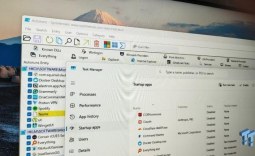
The app is actually MSN Weather wearing a trenchcoat. It's built as a WebView2 web wrapper rather than a native app, and expanding the process tree in Task Manager reveals nine separate Chromium-based sub-processes running underneath it. That's a lot of overhead just to display a forecast.
For comparison, Apple's native Weather app on macOS reportedly uses around 246MB for the same basic function, roughly a fifth of what Windows 11 needs. It also doesn't show ads, while Windows 11's version apparently slots sponsored tiles directly into the forecast grid.

The awful timing is hard to ignore here. Microsoft has spent the past several months trying to convince everyone that Windows 11 runs fine on 8GB of RAM. It even pulled its own documentation that used to recommend 32GB for new builds, apparently to push the message that lower-memory PCs are perfectly capable now. On an 8GB system though, a single weather widget eating close to 15% of total memory kind of undercuts that whole pitch.
To be fair to Microsoft, they are starting to see the problem. The company has already promised a push toward memory efficiency through the rest of 2026, including a more efficient memory allocator and a shift toward WinUI 3 for built-in apps so they use less RAM by design. Chromium and WebView2 components are apparently getting the same treatment too. Weather just hasn't been touched yet, and it shows.

The context around all this makes it worse too. RAM prices have been climbing for most of 2026, with DRAM costs surging dramatically as AI data center demand eats into consumer supply. Every gigabyte matters a lot more than it used to, especially on budget and mid-range laptops that are increasingly shipping with just 8GB as the baseline.
While all this is happening, watching a stock weather app burn through over a gigabyte of memory just to show a forecast feels particularly wasteful when that same memory now costs real money to replace or upgrade.


Frequently Asked Questions
Open a question for an answer from TweakTown's coverage of this news, or ask your own below.
How much RAM does the Windows 11 Weather app use when idle and when interacting with it?
Why does the Weather app consume so much memory compared to macOS Weather?
Are ads still present in the Windows 11 Weather app’s forecast grid?
What larger industry and pricing trends make Weather’s memory usage more problematic now?
Have a question that isn't listed here? Ask below, and TweakBot will answer it.

Microsoft clearly knows Windows 11 has a bloat problem, and it's apparently working through it app by app. If predictions of RAM prices staying high through at least 2028 are anything to go by, fixing Weather sooner rather than later would probably help Microsoft's case.