












DDR4 was supposed to be the safe fallback once DDR5 pricing went off the rails. That is no longer true. According to a new DigiTimes report, Taiwanese memory makers are quoting DDR4 8Gb contract prices for Q3 2026 up to 50% higher than Q2, blowing past what the market had already priced in as a worst-case scenario.

This time, the driver is not PC demand but, surprisingly, enterprise SSDs. High-capacity eSSDs need standalone DRAM chips to handle random reads and writes, and as data centers push toward 16TB to 30TB drives for AI workloads, that DRAM requirement has scaled up with them.
Samsung, SK hynix, and Micron have mostly wound down standard DDR4 production to chase DDR5 and HBM margins, though Micron reportedly restarted 1-alpha DDR4 and LPDDR4 output at its Manassas, Virginia fab, aimed mainly at automotive, defense, and medical customers rather than PC builders. With the other suppliers unable to cover the shortfall, the supply gap could reportedly stretch out for as long as two years.

This builds on DDR4 prices that already jumped as much as 51% in Q2, and it lines up with Jefferies' own Q3 and Q4 forecasts, which pointed to another 30-40% hike once Q3 wraps up. DDR4 briefly became the budget option people ran to once it flipped and got pricier than DDR5, and now that safety net looks like it is gone, too.

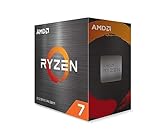
The timing is awkward for AMD and Intel, both of which are leaning on DDR4 right now. AMD just relaunched the Ryzen 7 5800X3D on AM4 as an affordable gaming upgrade, and Intel is reportedly prepping Raptor Lake Next on the DDR4-capable LGA 1700 socket. Reportedly, CPU supply is already being redirected toward China as demand for older DDR4 Core chips climbs there. Both platforms were pitched as ways to dodge DDR5 pricing, but if DDR4 keeps climbing at this pace, that pitch gets a lot weaker.
Shockingly, the much older DDR3 memory is not escaping either. DigiTimes notes DDR3 4Gb pricing is being propped up by overlap with DDR4 4Gb demand in networking and TV gear, and some buyers are apparently retreating to DDR3 or even DDR2 as DDR4 gets too expensive. This trend is in sync with the DDR3 motherboard revival and Colorful's rumored H81 board return we covered earlier this year.

Frequently Asked Questions
TweakBot answers common questions about this news using TweakTown's own coverage from this page and related content from our archive. All answers are generated from TweakTown content and not outside sources. Tap a question to reveal the answer, or type your own below related to this content.
How should PC builders decide between buying DDR4 now or waiting for DDR5 given rising DDR4 prices?
Will current DDR4-compatible motherboards and CPUs (AM4, LGA 1700) face shortages or price hikes because of this RAM squeeze?
If I need memory for a workstation used in AI/data workloads, should I prioritize HBM/Higher-end DDR5 or stick with expanding DDR4 capacity?
Have a question about this content not listed here? Ask below and TweakBot will answer it.

Early July spot pricing reportedly has DDR3 4Gb costing more per gigabit than DDR5 16Gb, which says a lot about how upside down this market has gotten. Nobody is expecting relief soon. Industry estimates still point to 2028 before supply catches up, meaning builders on any memory standard, old or new, should probably stop waiting for a good deal to show up.


 Intel brings back 13th and 14th gen 'Raptor Lake' CPUs for China as the focus shifts to DDR4
 GIGABYTE, ASUS, and MSI plan to raise motherboard prices by at least 50% in Q3 2026
 DRAM prices surged by up to 89% in Q2 2026, destroying the consumer segment
 Mysterious AMD Ryzen 7 4700LE 'Zen 2' desktop CPU appears in a new prebuilt PC paired with an RTX 3050
 Memory capacity for all of 2027 has reportedly been booked and sold, with no more DRAM or HBM available
 Giveaway: 12 Winners Will Score MONTECH NX400 and NX600 CPU Coolers
 GTA 6 leaks have reportedly led to a morale drop at Rockstar, with Netflix frustrated as well
 The Blood of Dawnwalker won't hit 60 FPS on any console, PS5 Pro tops out at 40 FPS
 AMD claws back ground against Intel in the CPU market, climbs to 35% share in desktop CPUs
 Redditor receives not one but TWO empty boxes of Ryzen 5 9600X from Amazon
 Xbox Series X25 Limited Edition Console is priced at $900, arrives November 2026
 Dave Bautista officially cast as Kratos in Amazon's 'God of War' TV Series, replaces Ryan Hurst
 Take-Two begins the hunt for GTA 6 leaker CyberLeek, subpoenas Microsoft and Discord
 PlayStation 6 handheld not expected to stay under $600, warns leaker
 AMD confirms the Radeon RX 9050 4GB will have a tiny 64-bit bus and just 16MB Infinity Cache
 Intel 'Nova-Lake-S' 28-core CPU with bLLC reportedly draws 296W at PL2
 Cooler Master MasterFan A120 Fan Review
 GIGABYTE MO27Q2A Gaming Monitor Review: 1440p, 280Hz, and QD-OLED is a winning combination
 Cooler Master V8 ACE 3DHP BLACK CPU Cooler Review
 ASUS ROG Strix XG129C Review: A $199 Gaming Monitor You Don't Play Games On
 Cooler Master HAF II 500 Mid-Tower Chassis Review
 Corsair HS35 v3 Wireless Gaming Headset Review - An Affordable Winner
 D-Link F518 5G Wi‑Fi 6 AX1800 Mobile Hotspot Review: All-Day Mobile Hotspot
 Bose Lifestyle Ultra Speaker Review - Impressively Detailed Room-Filling Sound
 MSI Z890 Gaming Plus WIFI6E Review - Z890 for under $200
 Mortal Kombat (1995) 4K Ultra HD Blu-ray Review
 Using Multiple Monitors? Change these Windows settings for a Better Experience
 Windows Sandbox is The Windows Security Feature Most People Never Use
 I ditched the Windows 11 context menu for this open-source tool, and here's why
 Windows 11 may be encrypting your drive already, and I checked where my recovery key went
 GIGABYTE's 40 Days of INFINITY celebrates 40 Years of Innovation with stunning GeForce RTX graphics cards and rewards
 I swapped File Explorer for this free file manager and finally got the layout I wanted
 How to tell if someone has been using your Windows PC without your permission
 6 Task Manager tips for troubleshooting Windows performance problems
 ASUS ROG's 20th Anniversary Line-up of Premium PC Gaming Gear has Arrived - Here's Everything You Need to Know
 Six File Explorer tips every Windows user should know