TL;DR: Apacer CEO C.K. Chang warns DRAM and NAND supply will stay tight into 2027, with manufacturers expected to release only about 30% of 2026 capacity, potentially a 70% drop. Apacer stocked $383M in inventory as AI and data center demand (about 60% of DRAM capacity) drives prices and shortages, squeezing consumer electronics.
Voice: Jak Connor
0:00 / 2:21
Use left and right arrow keys to seek audio.
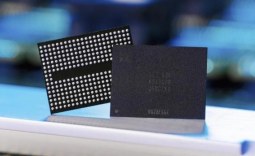
The memory shortage hitting the tech world is about to get far worse. By 2027, memory supply is expected to drop 70% as AI and data center demand continues to feed its endless hunger.
2
VIEW GALLERY - 2 IMAGES
Apacer CEO C.K. Chang warned that securing supply is now a bigger operational risk to Apacer than paying inflated prices, meaning it will cost the company more in the long run if they don't secure supply now. He noted that memory manufacturers are expected to release only 30% of their 2026 supply in 2027. For a simple example, suppose manufacturers supplied companies such as Apacer with 100 million memory chips in 2026. The statement suggests they might supply only 30 million equivalent chips in 2027 - a 70% reduction.
To prepare, Apacer has already stockpiled inventory worth $383 million. Reports indicate that other consumer electronics firms are following in the same footsteps as Apacer, locking down multi-year supply deals to avoid worst-case scenarios of being left paying even worse prices, or being locked out entirely.
The crisis is driven by a massive shift in where component supply is being directed, as reports indicate that around 60% of DRAM capacity is now heading toward data centers. Chang highlighted that DDR5 RDIMM server modules are seeing dramatic price spikes, and given the supply constraints that have no close end in sight, we can expect prices to continue increasing. With AI infrastructure eating up the lion's share of components, consumer electronics are left with a shrinking pie, which is being felt more and more with every dollar increase.
Frequently Asked Questions
Open a question for an answer from TweakTown's coverage of this news, or ask your own below.
Question #1
How will a projected 70% drop in memory supply by 2027 affect availability of consumer DDR5 DIMMs for PC builders?
A projected 70% drop in memory supply by 2027 will tighten availability of consumer DDR5 DIMMs for PC builders, leading to fewer options on the market and stiffer competition for remaining stock. Prices are expected to keep rising as AI and data center demand diverts much of DRAM capacity to enterprise server RDIMMs, and PC gamers and hardware buyers will feel the strain firsthand.
Question #2
What does Apacer mean by stockpiling $383 million of inventory, and how might similar multi-year supply deals impact retail memory supply?
Apacer means it has bought and held $383 million worth of DRAM and NAND inventory now so it has secured parts to keep making products rather than risk being starved for supply or paying even higher prices later. The article says other firms are locking multi-year supply deals and that this shifts more of available memory toward data centers and long-term contracts, leaving consumer retail memory with tighter availability, higher prices, and fewer product options. (Related: "Micron has signed agreements locking in record-high memory prices with major customers through 2030" and "HDD and SSD shortages have now led customers to sign 5-year supply agreements".)
Question #3
Which types of devices or product lines are most likely to see reduced options or availability as memory is diverted to AI/data-center use?
This story says consumer electronics will be hit hardest, specifically PC gamers and general hardware buyers facing tighter availability and fewer options as memory is diverted to AI and data centers. It also highlights server-oriented parts like DDR5 RDIMM modules being prioritized and experiencing dramatic price spikes. Drawing on another TweakTown story, entry-level PCs and the broader PC and smartphone markets are also likely to see reduced options or shrinkage (see Related 2: Memory crisis could see the entry-level PC market disappear by 2028 and Related 3: PC and smartphone markets to shrink in 2026 thanks to DRAM pricing and shortages).
Question #4
How long does Apacer expect tight DRAM and NAND supply to persist, and what implications does that timeline have for buying decisions in 2024–2027?
Apacer expects tight DRAM and NAND supply to persist into 2027, forecasting about a 70% drop in memory supply by 2027 and saying prices will not get better. That timeline has led Apacer to stockpile inventory and pushed other firms to lock in multi-year supply deals now to avoid paying even higher prices or being cut off. For buyers in 2024-2027 this implies rising prices, tighter availability, and fewer product options, so securing purchases earlier or through guaranteed supply deals will be increasingly important.
Have a question that isn't listed here? Ask below, and TweakBot will answer it.
Answering your question
TweakBot is analyzing your question…
Could not get an answer
TweakBot is generating an answer
Read More
Was TweakBot helpful?Thanks for the feedback!
As memory becomes harder to find and more expensive, PC gamers and hardware buyers will continue to feel the strain firsthand. While price increases have already hit, the coming year could see even tighter availability, or a general reduction in the number of options available to consumers.
Share this Story
Best Deals: Kingston KSM56R46BD8PMI-32HAI Server RAM 32GB
Jak joined TweakTown in 2017 and has since reviewed 100s of new tech products and kept us informed daily on the latest science, space, and artificial intelligence news. Jak's love for science, space, and technology, and, more specifically, PC gaming, began at 10 years old. It was the day his dad showed him how to play Age of Empires on an old Compaq PC. Ever since that day, Jak fell in love with games and the progression of the technology industry in all its forms.
Stay Updated
Follow TweakTown for breaking tech news, reviews, and daily updates.