

Video game prices aren't expected to increase in 2026, but microtransactions might be a different story.

In-game purchases could get a price hike next year as the games industry seeks greater shareholder returns. The market is currently stressed due to consumer spending habits, rising software and hardware production costs, and economic unknowns like tariffs and trade disruptions. As a result, big players like Microsoft have conducted three price increases throughout 2025 alone--two Xbox Series MSRP bumps and a $10 increase to Game Pass.
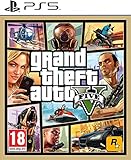
Popular Now: $400 GTA 6 collector's edition comes with fake coke spoon and razorblade, but no actual gameSoftware, however, has stayed at $70 (which in itself is a relatively new baseline price that was set just five years ago). Ampere Analysis analyst Piers Harding-Rolls believes that games will stay at $70 throughout 2026, but Nintendo's new $80 price ceiling could give companies more wiggle room.

"Do I expect base game sales to go up again in 2026? No, I don't think so. But there is already some room in the market for AAA titles to shift to $80 if required," Harding-Rolls told GamesIndustry.biz.
Publishers and developers could instead charge more for in-game cosmetics, bundles, currencies, etc. This way there's no harsh sticker shock associated with new software and consumers aren't deterred by a higher-than-normal MSRP.
"As [in-app purchases] are where most spending is generated across the entire games market, there could be further inflation in this part of the monetisation mix. Generally, I think it's easier to alter the value of an IAP bundle and a price increase on a cheap bundle is easier to implement without undermining gamer sentiment."
Some game-makers have organized their software catalogs and live services into a kind of hybridized subscription; Rockstar Games' GTA+ subscription comes to mind, as it offers GTA Online content as well as access to past titles from the studio.