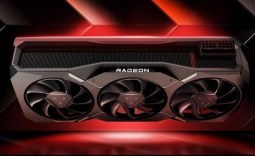


AMD Software: Adrenalin Edition 25.10.2 launched last week for PC gamers with Radeon GPUs, and it sparked quite a bit of backlash because its 'New Game Support' for Battlefield 6 was limited to Radeon RX 7000 (RDNA 3) and Radeon RX 9000 (RDNA 4) Series graphics cards. This means that Radeon RX 5000 (RDNA 1) and Radeon RX 6000 (RDNA 2) owners were effectively left behind in terms of game-specific optimizations.

In a follow-up statement provided to Tom's Hardware, AMD clarified that RDNA 1 and RDNA 2 owners would continue to receive "new features, bug fixes, and game optimizations" as part of a maintenance mode branch for Radeon 'Adrenalin Edition' software, but only "as required by market needs." Another confusing statement, and one that still suggests RDNA 2 gamers were being left behind.
Popular Now: Control Resonant becomes Remedy's top Steam launch, and even pirates are telling people to buy itAccording to Steam's latest Hardware Survey Results, RDNA 2 GPUs like the Radeon RX 6600 from 2021 are AMD's most popular among PC gamers, so the decision to reduce support so soon felt premature. Well, AMD has released a statement to clear up the confusion, confirming that RDNA 1 and RDNA 2 GPUs will receive "game support for new releases."
The statement also confirms that RDNA 1 and RDNA 2 GPUs will receive "stability and game optimizations" as well as "security and bug fixes," but in a separate driver release. For future AMD Software: Adrenalin Edition driver releases, the company is planning to release separate versions for different RDNA generations so its "engineers can move faster with new features for RDNA 3 and RDNA 4, while keeping RDNA 1 and RDNA 2 stable and optimized for current and future games."
Based on AMD's statement, it appears that the decision to split driver support hinges on the fact that new AI-powered Radeon technology and features, such as FSR 4, will be limited to newer hardware. With the company planning to release its major FSR Redstone update soon, which adds AI-powered Frame Generation, de-noising, and neural rendering, this split "helps deliver a smoother, more consistent experience for your games while insulating previous generation GPUs from rapid changes designed for newer architectures."