

A "fresh" Windows 11 install in 2026 ships with suggestions, ad surfaces, and tracking identifiers enabled by default. None of it is illegal, but most of it isn't doing me any favors either. The changes below take roughly ten minutes and pair well with my Windows 11 registry tweaks I apply to every new PC.
Start and search are noisier than they need to be
The Start menu and taskbar search are the two surfaces I touch most often, so they get cleaned up first.
Out of the box, the lower half of Start mixes recently added apps, OneDrive files I never asked to see, and Microsoft promotions dressed up as recommendations. To get rid of all that, head to Settings > Personalization > Start and switch off every toggle on that page, including "Show recommendations for tips, app promotions, and more" and "Show recommended files in Start." Set the layout to "More pins" while you're there.

The taskbar search box hides another irritant. The rotating Bing-fed icon inside it is Search highlights, and it lives at Settings > Privacy & security > Search. Scroll down and turn off "Show search highlights."


Best Deals: Microsoft Windows 11 Pro OEM
Price Trend:
Prices last scanned 4 hours ago

7 days ago: $169.99 USD30 days ago: $146.76 USD
7 days ago: $215 CAD30 days ago: $215 CAD


Web results in Start search are the trickiest of the three because Microsoft never built a Settings toggle for them. On Windows 11 Pro, open gpedit.msc and enable "Don't search the web or display web results in Search" under Computer Configuration > Administrative Templates > Windows Components > Search.


On Windows 11 Home, open Registry Editor, navigate to HKEY_CURRENT_USER\Software\Policies\Microsoft\Windows\Explorer, and create a DWORD named DisableSearchBoxSuggestions set to 1. Sign out and back in.

Remember to back up the registry before making any changes. In Registry Editor, click File > Export, set "Export range" to All, and save the .reg file somewhere safe so you can restore it if anything goes wrong. This last tweak also removes the Copilot button from the search surface. Skip it if Copilot is part of your workflow.
Our Latest TweakTown Guides
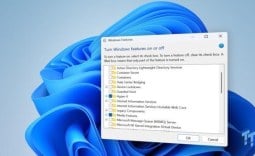
- Here's the four Windows 11 components I only add when a job calls for them
- I stopped reaching behind my monitors after PowerToys added this brightness control
- I stopped trusting the Startup apps tab after I opened this utility on my PC
- I audited every credential Windows had stored for me and deleted three-quarters of them
- The Complete Windows 11 Tweaking Guide for 2026: What to Change and What to Avoid
Edge and the lock screen love to nag
Edge is also the user-hostile thing about a clean Windows 11 install, and I'll say that without apology. The first time you open it, Microsoft runs you through a sign-in flow stacked with prompts to import data from another browser, set Edge as default, accept "Microsoft recommended browser settings," and link a Microsoft account. Each one is built to nudge you back into using it.
To fix it, open Edge once and explicitly decline every prompt so it stops asking again. Then head to Settings > Apps > Default apps and reset your default browser to whatever you actually use. The "Set Edge as default" pop-up that returns after major Windows builds gets the same treatment.
The lock screen is the quieter offender. Spotlight is the default, which means the bottom of every lock screen image carries text overlays promoting Microsoft 365, Game Pass, or Edge. Open Settings > Personalization > Lock screen, set "Lock screen status" to "None." You can also switch "Personalize your lock screen" from "Windows Spotlight" to "Picture" or "Slideshow," then uncheck "Get fun facts, tips, tricks and more on your lock screen."

The hidden ads are the ones that matter most
The complaints about the Start menu and Edge are obvious. However, the toggles in this group aren't, which is exactly why disabling them comes with the highest payoff, and most people never open these screens.
Open Settings > Privacy & security > Recommendations & offers and turn off all toggles on the page. That includes "Advertising ID," "Allow websites to access my language list," "Improve Start and search results," and "Show notifications in the Settings."

That last one is the sneakiest of the lot, because nobody expects ads inside the Settings app, which is precisely why it works.
Next, head to Settings > System > Notifications and expand "Additional settings" at the bottom. Uncheck "Get tips and suggestions when using Windows" and "Suggest ways to get the most out of Windows and finish setting up this device." That second one fires the post-update full-screen setup nag.

Finally, open Settings > Privacy & security > Diagnostics & feedback. Under "Diagnostic data," set "Send optional diagnostic data" to Off, then click "Delete" under "Delete diagnostic data" to clear what's already been sent. Fresh install, clean baseline.

A clean install is a starting point, not a finish line
These eight changes don't make Windows 11 a different operating system, just one that stops shouting at you. The next layer is to debloat the preinstalled apps and audit what launches at startup. Both deserve attention before you start installing the third-party utilities you actually want, because every new tool brings its own version of these defaults along for the ride.