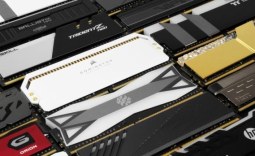
For consumers in the PC, gaming, and mobile space, the current memory and storage crisis due to the AI boom and all capacity for high-performance chips going to data center projects has left many wondering "how long?" That is, with exponential price increases affecting retail hardware, alongside shortages, when will things, more or less, return to normal?

Speaking with Reuters about SK hynix's U.S. operations, where its new Indiana facility is set to begin "volume production" of its next-gen HBM4E memory chips, CEO Kwak Noh-Jung also briefly addressed the current memory capacity, demand, and supply situation affecting the broader technology market.
With "no clear signs of a memory downturn," it's expected that the current memory crisis will continue through to the end of 2030. Beyond 2030, there's no expectation of a sharp decline in demand, but rather a more gradual slowdown. According to the report, Kwak Noh-Jung isn't concerned about the company's post-2030 period.
Last month, SK hynix's Kwak Noh-Jung said that 2027 "will be the worst year in the industry's history from the supply perspective" even as production is expected to grow by 12%. With this new statement, it's unclear whether 2028, 2029, or even 2030 will be an improvement, but the company is investing heavily to expand its manufacturing capacity to meet demand, at least from an HBM and data center perspective.
SK hynix, Samsung, and Micron are the three big players in the memory space, and all three are investing heavily to fire up new facilities and meet growing demand. In addition to its US-based Indiana facility, SK hynix is building a DRAM mega-factory in South Korea, expected to go online in 2029.

Frequently Asked Questions
Open a question for an answer from TweakTown's coverage of this news, or ask your own below.
What timeline did SK hynix's CEO give for when the current memory and storage shortages might begin to ease?
How does SK hynix expect memory demand to change after 2030 according to the article?
How did SK hynix's CEO characterize the likelihood of a memory downturn before 2030?
Which other major memory manufacturers are cited as also expanding capacity in response to demand?
Have a question about this content not listed here? Ask below and TweakBot will answer it.

Either way, for the consumer technology market, the end of 2030 now being publicly talked about as an unlikely target for the memory capacity situation to start easing is not a great sign.