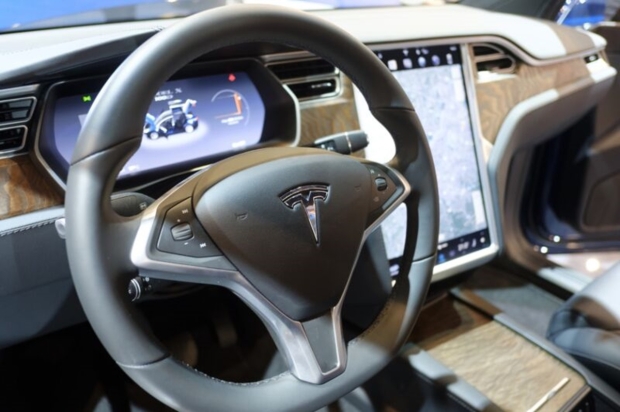





After a two-year investigation by the National Highway Traffic Safety Administration's (NHTSA) Office of Defects, it has found Tesla needs to recall more than two million vehicles across the United States over safety concerns with the EV's Autopilot feature.
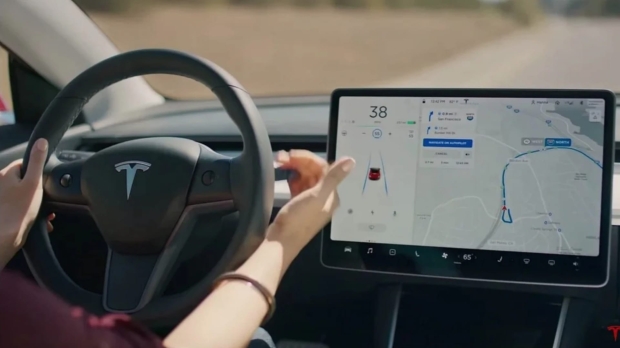
Firstly, Tesla's Autopilot feature is the company's name for its driver-assisted system and consists of two main components: the "traffic-aware cruise control" and Autosteer. The automated cruise control measures the distance between itself and the vehicle in front, adjusting for speed by breaking with the goal of maintaining a safe distance.
The Autosteer component is responsible for monitoring the lines on the road and will make slight adjustments to keep the vehicle in between both lines. The system was originally designed by Mobileye, but Tesla decided to build its own and dropped many sensors in a way to save costs. Tesla's camera-only approach then evolved into complaints being filed to the NHTSA, where drivers reported their Tesla slammed on the breaks when it falsely identified an object as a reason to slow down.
The National Highway Safety Administration Office of Defects Investigation found Tesla's driver assistance systems don't meet legal safety requirements, specifically the Autosteer component, as the regulator found the system could result in "foreseeable misuse".
This may sound like massive news for the Elon Musk-led company, but the remedy for the situation is an easy over-the-air update to all affected vehicles. The regulator simply refers to the defect as a recall. Tesla owners won't be required to return their EVs to the company for physical alterations.
"At no cost to customers, affected vehicles will receive an over-the-air software remedy, which is expected to begin deploying to certain affected vehicles on or shortly after December 12, 2023, with software version 2023.44.30," writes Tesla on its website