












Originally, astronomers believed that the galaxy NGC 6240 was a result of two galaxies merging together. Recently that theory has been thwarted with newly discovered information.

Astronomers are observing NGC 6240, which is located about 400 million light-years away in the constellation Ophiuchus. For quite some time, astronomers have been confused by this galaxy, but recently a new study has been conducted using the European Southern Observatory's (ESO) Very Large Telescope (VLT,) along with the advanced 3D MUSE Spectrograph. This study has shone a new light on NGC 6240, revealing to researchers that the galaxy isn't a result of two colliding galaxies, but instead three.
The most surprising part is that originally, astronomers believed there to be two black holes located at the heart of NGC 6240 (the two galaxies). But after the recent study was finished, astronomers have now discovered that there are three supermassive black holes there, marking the first time ever that astronomers have discovered such a large concentration of them. Dr Peter Weilbacher of the Leibniz Institute for Astrophysics Potsdam (AIP) said, "Up until now, such a concentration of three supermassive black holes had never been discovered in the universe. The present case provides evidence of a simultaneous merging process of three galaxies along with their central black holes."
Astronomers and researchers hope that this new information will help them understand how enormous galaxies are formed when more are eventually found in the future.


 Scientists watched a black hole burp out the light of 10 trillion suns
 Scientists see 'boom' at Milky Way's center with world's most powerful space telescope
 NASA releases jaw-dropping 2.5 billion pixel image that took 10 years to capture
 Scientists unveil biggest map of the universe ever created, spanning almost all of time
 Phantom Blade Zero on PC will launch with DLSS 4.5 and Ray Tracing on day one
 Razer announces its first Artisan Keycap with the Triple-Headed Snake Edition
 ZOTAC's 20th Anniversary Edition GeForce RTX 5080 features a titanium colorway and mirror-like backplate
 GeForce NOW app for Linux leaves beta, while DLSS Frame Generation cloud latency also improves
 Twitch opts streamers into gen AI training by default, faces harsh backlash
 Sean Murray still plays the 2016 launch version of No Man's Sky
 China's YMTC has climbed to third place in global NAND flash shipments
 $100 GTA 6 version makes up 89% of pre-orders, analysts estimate
 HWiNFO's latest update quietly confirms Intel is working on Razor Lake-AX
 Nintendo puts Switch 2 price increase warnings on store demo kiosks ahead of September 1 hike
 D-Link F518 5G Wi‑Fi 6 AX1800 Mobile Hotspot Review: All-Day Mobile Hotspot
 Bose Lifestyle Ultra Speaker Review - Impressively Detailed Room-Filling Sound
 MSI Z890 Gaming Plus WIFI6E Review - Z890 for under $200
 Mortal Kombat (1995) 4K Ultra HD Blu-ray Review
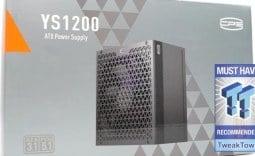 CPS PCCOOLER YS1200 ATX 3.1 80 PLUS Gold PSU Review
 ASRock X870E Taichi White Review: a premium AM5 motherboard with 10G LAN and WiFi 7
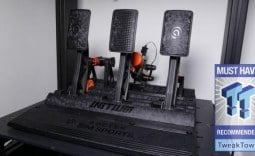 Asetek Initium Pedal Modular Upgrades Review
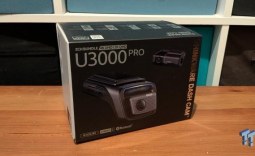 Thinkware U3000 Pro Review - Smart Dashcam with Wi-Fi quirks
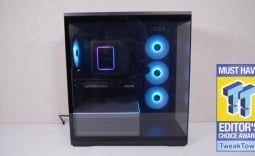 Montech TG3 Mid-Tower Chassis Review
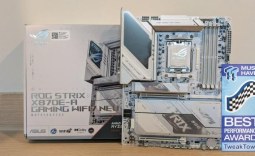 ASUS ROG Strix X870E-A Gaming WiFI7 Neo Review - A New Enticing Option
 I ditched the Windows 11 context menu for this open-source tool, and here's why
 Windows 11 may be encrypting your drive already, and I checked where my recovery key went
 GIGABYTE's 40 Days of INFINITY celebrates 40 Years of Innovation with stunning GeForce RTX graphics cards and rewards
 I swapped File Explorer for this free file manager and finally got the layout I wanted
 How to tell if someone has been using your Windows PC without your permission
 6 Task Manager tips for troubleshooting Windows performance problems
 ASUS ROG's 20th Anniversary Line-up of Premium PC Gaming Gear has Arrived - Here's Everything You Need to Know
 Six File Explorer tips every Windows user should know
 I switched my PC to encrypted DNS in Windows 11, and browsing felt more private
 Printer Not Working in Windows? How to fix detection, print queues and drivers