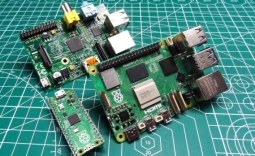
Raspberry Pi has raised the price of its 2GB Raspberry Pi 4 and Raspberry Pi 5 by $12.50, taking the Pi 4 to $67.50 and the Pi 5 to $77.50. That's roughly 18% and 16% more, and the reason won't surprise anyone: memory keeps getting more expensive.
These two boards had been spared before. When Raspberry Pi raised prices in April, the 16GB Pi 5 climbed to $305, while it held the line on the 1GB and 2GB models. CEO Eben Upton now says that approach is no longer sustainable. For perspective, the Pi 5 8GB launched at $80, so the 2GB version now costs just $2.50 less than the top model did on day one. The 1GB Pi 4 and Pi 5 are unchanged, along with the 2GB Compute Module 4 and Compute Module 5, at least for now.
Popular Now: G.Skill replaces a $150 RAM kit now selling for $1,199, earning a customer for life in the process
Raspberry Pi advises buying what you need and skipping headroom you won't use. It also points to older boards like the Raspberry Pi 3B, 3A+ and 3B+ for projects that don't need newer hardware. Buyers are also told to stick with Approved Resellers, since some unauthorized sellers have been charging inflated prices and, in some cases, shipping the wrong product.
That advice carries more weight now that Raspberry Pi has confirmed its firmware has been locking boards to their original RAM size since late 2024. The company says the aim was to stop resellers swapping in unvalidated chips and selling the boards as factory units, but it also means the memory you pick at checkout is the memory you're stuck with.


Story Q&A
Powered by TweakBot
From TweakTown's coverage of this story.
Can RAM be upgraded after purchase on a 2GB Raspberry Pi 4 or Raspberry Pi 5?
Which projects can use a Raspberry Pi 3B, 3A+, or 3B+ instead of a Pi 4 or Pi 5?
What should buyers check when ordering Raspberry Pi boards to avoid receiving the wrong RAM configuration?
What memory supply trends are driving Raspberry Pi's price increases?
Want something else? Ask TweakBot.

Upton says the current conditions are temporary and that prices will be reversed when memory costs come down. But nothing points to costs coming down anytime soon. Micron's CEO expects memory and storage supply to be even tighter in 2027 and 2028, with conventional DRAM prices set to rise another 10-15% next quarter.