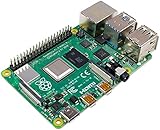


Raspberry Pi has confirmed it is deliberately locking its boards to the RAM configuration they shipped with from the factory, blocking users from swapping out the soldered memory even when the replacement chip is technically compatible.
The disclosure came from PhilE, a Raspberry Pi engineer and forum moderator, who was responding to a user on the official forums who couldn't get a 4GB chip to register after replacing the original 2GB package on a Compute Module 5.

According to the moderator, resellers were buying lower-capacity boards, swapping in higher-capacity chips of uncertain origin, and selling the modified hardware as factory units. Those boards were never validated by Raspberry Pi, and when buyers ended up with unreliable hardware, support requests landed on the company rather than the people who actually made the modifications. "We therefore remove the commercial incentive by locking devices to their original RAM size," PhilE wrote.
Raspberry Pi says other device attributes, including memory density, organisation, and timing parameters, are now baked into the firmware to accommodate the growing number of memory suppliers it works with. That means even a same-size swap from another Raspberry Pi board with identical capacity is not guaranteed to work.

Interestingly, the firmware locks began rolling out in updates from late 2024, well before the current memory price surge driven by AI data centre demand. So this wasn't a reaction to RAMageddon, but a policy decision made two years ago that we're only getting to know about now.

Frequently Asked Questions
Open a question for an answer from TweakTown's coverage of this news, or ask your own below.
Which Raspberry Pi boards are affected by the RAM lock?
Can a Compute Module 5 RAM chip still be replaced for repair purposes?
What does Raspberry Pi mean by memory density, organisation, and timing parameters in the firmware?
Are same-capacity RAM swaps between two Raspberry Pi boards expected to work?
Have a question that isn't listed here? Ask below, and TweakBot will answer it.

Raspberry Pi built its reputation on being the board you could tinker with at every level, and the idea that you can no longer swap a soldered chip feels completely at odds with that. High-profile Pi advocate Jeff Geerling has suggested that a warranty-bit approach, similar to what older Pi models used for overclocking, would have been a better solution. A one-time firmware flag that voids support for modified boards would give resellers no commercial advantage while still leaving the door open for legitimate repairs and experimentation.