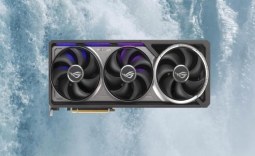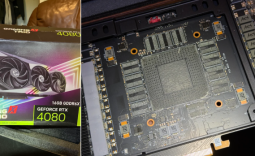


Finding a good deal on a GPU that's currently soaring past $10,000 would normally call for an instant grab, but this is a case where it shouldn't have been. A Reddit user found what looked like a deal on an RTX 5090, only to discover the card had no PCB, not even the GPU core, when unboxed.
The user posted the story on Reddit along with a full unboxing video. The card in question was the ASUS ROG Astral RTX 5090, which Amazon currently lists used at $6,449 from the official ASUS store. The user instead paid $4,193 for a "Used - Acceptable" listing, a whopping $2,000 difference that should have been the first red flag.

The bigger issue is where the card actually came from. The OP confirmed in the unboxing video, along with a screenshot of the listing, that Amazon didn't sell and ship the card directly. Instead, it came from a third-party seller called Warehouse Deals, another big red flag. Buying "on" Amazon is not the same as buying "from" Amazon, and that gap is exactly where scams like this can slip through.
As for the card itself, it arrived heavily used, with a box that also looked visibly resealed, both signs pointing toward what's known as a swap scam. For those unfamiliar, swap scams involve a buyer purchasing a product, removing the valuable internals, resealing the box carefully enough to pass a visual inspection, and returning it for a refund. Amazon accepts the return, and the tampered unit eventually gets resold to someone else.

As one Reddit commenter put it, someone likely slapped a waterblock onto this exact card, returned the base card and cooler afterward, and Amazon's inspection process didn't catch what was actually inside. These cases are typically easier to trace to a specific return when Amazon sells the item directly. Here, since the card came from a third-party seller, tracing responsibility becomes murkier.
In a similar case, a repair channel previously reported receiving an RTX 4060 with a plastic block bearing etched markings in place of a real chip and a PCB packed with non-functional scrap memory instead of actual VRAM.

That said, the user's unboxing video should work heavily in their favor here. Amazon has confirmed the return has started, and with clear video evidence of what actually arrived, getting a refund shouldn't be difficult.
Reaction to the story has been mixed. Some commenters have pointed out inconsistencies in the unboxing video itself, while others have focused more on the buyer's decision to proceed despite the used listing and the obvious price gap being warning signs from the start.

Story Q&A
Powered by TweakBot
From TweakTown's coverage of this story.
How can shoppers verify whether an Amazon GPU listing is sold by Amazon or a third-party seller?
What evidence should buyers record when unboxing an expensive used GPU from Amazon?
Who handles a dispute when a third-party Amazon seller ships a GPU with missing components?
What gaming performance does the ASUS ROG Astral RTX 5090 deliver in TweakTown reviews?
Want something else? Ask TweakBot.

Either way, the incident is a reminder that the used GPU market right now is just as chaotic as the market for new cards, and when a deal on expensive, hard-to-find hardware seems off, even slightly, it's usually worth walking away.