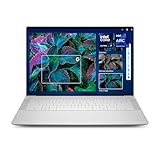


Google's Googlebook laptops are officially available to preorder, with the first wave of devices set to reach consumers next month. Google has partnered with Acer, ASUS, Dell, HP, and Lenovo to introduce five Googlebook models, giving buyers several hardware options built around its new laptop platform.
As we reported earlier this month, Google had confirmed that Googlebook preorders would open on September 21, while pricing remained undisclosed. That has now changed, with the Acer Googlebook 14 starting at $899 and Dell's XPS Googlebook starting at $1,199. ASUS, HP, and Lenovo are pricing their respective models from $1,299, placing the new lineup firmly in the premium laptop segment.
Popular Now: Ubisoft teases next Assassin's Creed remake after success of Black Flag Resynced
Across the five models, manufacturers can differentiate their hardware while maintaining the same underlying Googlebook experience. Google has set a relatively high hardware baseline for the platform, including at least 16GB of RAM, a touchscreen, backlit keyboard, large haptic trackpad, premium chassis, and dedicated NPUs capable of 45 TOPS or more. Googlebook manufacturers must also include the signature exterior Glowbar, giving otherwise distinct laptops a recognizable visual identity.
This still gives OEMs plenty of flexibility in how they design their devices, and the first wave shows that. Acer has gone with a convertible design, while ASUS' Googlebook is the lightest of the bunch at just 1kg. On the other hand, Lenovo is the large 15.3-inch productivity machine.
Acer and ASUS offer the Intel Core Ultra 5 325 and Core Ultra 7 355 processors, while Lenovo's Googlebook 15 uses the Core Ultra 5 325. Dell and HP have instead opted for Qualcomm's Snapdragon X Elite. Acer's Googlebook 14 features a 14-inch 2.8K OLED touchscreen, while Lenovo's Googlebook 15 steps up to a larger 15.3-inch 2.8K OLED panel.

On the software side, Googlebook is built around Google's new Gemini Intelligence experience, with features such as Magic Pointer, Rambler, and Create My Widget.
The platform also offers deeper Android integration through Continue On, Files, and Cast My Apps. Users can resume supported tasks started on their phones, browse phone files and photos directly through the Googlebook Files app, or stream and interact with Android phone apps inside a desktop window.
Googlebook OS will feature a desktop-class Chrome browser, with support for extensions. It also runs native Android apps from Google Play, which makes us interested in how well games will run and adapt to the platform. Another nice addition is an isolated Linux environment for traditional developer tooling.
Every Googlebook includes 12 months of Google AI Pro with 5TB of cloud storage, along with access to additional apps and services at no extra cost. Google says Googlebook OS gets feature drops and up to 10 years of updates.

The Googlebook appears to be Google's long-awaited response to the Mac+iPhone ecosystem. The relatively strict hardware guidelines should also make buying a Googlebook less of a minefield, since buyers know that, regardless of manufacturer, they're getting at least 16GB of RAM, a touchscreen, haptic trackpad, backlit keyboard, premium materials, and modern silicon.

Frequently Asked Questions
Open a question for an answer from TweakTown's coverage of this news, or ask your own below.
How do Continue On, Files, and Cast My Apps work with a user's Android phone?
Can Googlebook run native Android apps and games well on the new platform?
How much hardware variation is allowed across Googlebook laptops under Google's baseline requirements?
What does the isolated Linux environment let developers do on Googlebook OS?
Have a question that isn't listed here? Ask below, and TweakBot will answer it.

With preorders now open, Google's first Googlebook laptops will reach US retailers on October 4, priced from $899 to $1,299. While Google is positioning the lineup as a premium laptop experience, the pricing raises an obvious question for buyers: does Google have enough in its arsenal to draw the average buyer away from premium Windows machines or MacBooks?