












Google has published a white paper detailing how AI is transforming Chrome's security pipeline. Chrome versions 149 and 150, both released in June, collectively fixed 1,072 security bugs. That figure exceeds the total number of bugs patched across the previous 23 Chrome versions combined, dating back to June 2024.
Google has been building a multi-agent AI workflow for vulnerability research since 2023. Today, its AI-powered agents are scanning code at a scale and speed that were not previously possible. In one case, this AI-driven analysis uncovered a Chrome sandbox escape vulnerability that had remained hidden in the codebase for more than 13 years. If exploited, it could have allowed attackers to escape Chrome's sandbox and access local files.

The pace of discovery is now fast enough that Google is rethinking its entire update delivery model. Chrome moved to a two-week major release cycle earlier this year, but the company is now piloting a shift to two security releases per week for targeted patches. In other words, Google wants to reduce the time between identifying a vulnerability and getting a fix into users' hands, giving attackers less time to reverse-engineer vulnerabilities and develop exploits.
The company is also working on several approaches to make Chrome updates faster and eliminate the need for a restart, a step many users delay and one that can leave their systems exposed longer than intended. Chrome 150 on macOS introduced what Google calls a "zero window restart," which takes advantage of the way macOS apps continue running in the background after all windows are closed.

Another solution is dynamic patching, which would allow Chrome to apply security updates without requiring a restart by replacing background processes with updated binaries on-the-fly. Google has not provided a timeline for when dynamic patching will arrive in stable builds, but describes it as an active area of investment.

Frequently Asked Questions
TweakBot answers common questions about this news using TweakTown's own coverage from this page and related content from our archive. Tap a question to reveal the answer, or type your own below.
What is Google's proposed two-security-release-per-week pilot intended to change about update delivery?
What is dynamic patching for Chrome and what did the article say about its availability timeline?
How did the AI agents scan Chrome's codebase differently than traditional methods according to the white paper?
How does Google's increase in AI-driven detection compare to Microsoft’s recent Patch Tuesday effort mentioned in the article?
Have a question not listed here? Ask below and TweakBot will answer it.

That said, the increase in AI-driven vulnerability detection is unlikely to slow down. Microsoft also cited AI tools when explaining its record-breaking 206-flaw Patch Tuesday back in June.


 Qualcomm is raising chip prices from September 1, and Android phones could get more expensive
 A missing underscore in a Skyrim-inspired username sent an innocent man to prison for 18 months
 Microsoft improves Windows 11 optimization for PCs with 8GB RAM
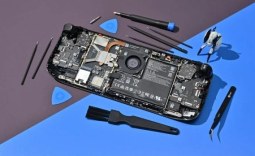 Steam Deck LCD battery returns to iFixit, but costs $50 more now
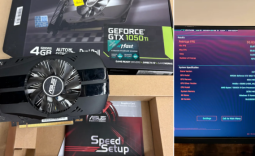 Redditor scores a working GTX 1050 Ti for just $2 at Goodwill
 Sony has secured enough memory to meet PS5 sales targets through March 2027 and says no further price hikes are planned
 Reddit is building a video and audio listening experience for the viral post format it accidentally created for TikTok
 Seagate says Mozaic 5 50TB hard drives are on track for 2027, with 100TB already on the roadmap
 MSI adds a BIOS toggle to tighten standard DDR5 timings closer to EXPO ULL kits
 Keychron is building an open-source gaming mouse firmware called ZGM
 Montech TG3 Mid-Tower Chassis Review
 ASUS ROG Strix X870E-A Gaming WiFI7 Neo Review - A New Enticing Option
 Noctua NL-LC1-36 Liquid CPU Cooler Review
 Logitech G316 X 98 Wired Gaming Keyboard Review - Retro-Inspired Board that Falls a Little Short
 Biwin M560 2TB SSD Review - Best Overall Retail-Ready DRAMless SSD
 Logitech G512 X 98 Analog Mechanical Gaming Keyboard Review - An Innovative Two-in-One
 Thrustmaster T.Flight HOTAS 5 MSFS Edition Review
 SteelSeries Arctis Nova Pro Omni Wireless Headset Review - One Headset to Rule Them All
 SteelSeries Arctis Nova 7 Wireless Gen 2 Headset Review - New and Improved, But Is It Enough?
 AMD Ryzen 7 7700X3D Review - Days of Future Past
 6 Task Manager tips for troubleshooting Windows performance problems
 ASUS ROG's 20th Anniversary Line-up of Premium PC Gaming Gear has Arrived - Here's Everything You Need to Know
 Six File Explorer tips every Windows user should know
 I switched my PC to encrypted DNS in Windows 11, and browsing felt more private
 Printer Not Working in Windows? How to fix detection, print queues and drivers
 The Ultimate Guide to Personalizing Your Windows 11 Taskbar
 How to Turn Your Windows Laptop Into a Second Monitor with Miracast and Wireless Display in Minutes
 6 Mistakes to Avoid When Buying a Windows Laptop
 I capped Windows Update's bandwidth with Delivery Optimization, and my downloads stopped choking
 I use this decade-old free tool that finds files faster than Windows Search does