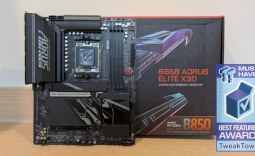
Intel's next generation of Nova Lake-S-powered desktop CPUs is reportedly on track for release later this year or early 2027, and so far we've heard rumors of cache-filled X3D-style mid-range offerings for PC games as well as flagship models with a whopping 52 cores.

As a cutting-edge consumer processor architecture, Nova Lake was previously believed to use TSMC's 2nm (N2) process for its main compute tile, with only around 30% of the CPU tiles and chip technology manufactured internally via Intel Foundry on the company's 18A node. And we say previously, because a new report indicates that Intel is now planning to bring the majority of Nova Lake production in-house.
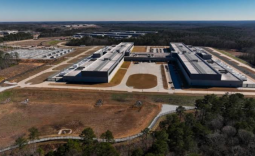
And the reasoning is sound; apparently Intel's 18A node yields have dramatically improved in recent months, going from 65% to 85%. The higher the yield, the fewer dies or chips go to waste, leading to a more efficient chip product and a notably higher quantity. Intel's 18A node production, which is being carried out across two sites in North America, is currently being leveraged for its 'Panther Lake' lineup of mobile processors, so the assumption is that with greater yields it can also take on more products like Nova Lake.
In addition to the improved yields, the report also notes that the shift to Intel Foundry production could also be on the cards for Nova Lake because TSMC has been giving Intel "less favorable pricing" for its 2nm process (N2) compared to other customers, alongside limited support when it comes to optimizing the chips.

Frequently Asked Questions
Open a question for an answer from TweakTown's coverage of this news, or ask your own below.
Will Intel actually produce the majority of Nova Lake-S CPUs on its 18A process rather than TSMC's N2?
Could Intel's foundry deals with NVIDIA, AMD, Microsoft, and OpenAI affect the timeline or scale of Nova Lake-S production on 18A?
Have a question about this content not listed here? Ask below and TweakBot will answer it.

It will be interesting to see how this all plays out. Even if there's not enough time to make the 18A switch for the first wave of Nova Lake-S CPUs, with 18A yields increasing and Intel signing deals with companies like NVIDIA, AMD, Microsoft, OpenAI, and others to leverage its foundries for chip production, it's increasingly looking like TSMC's cutting-edge dominance is slowly diminishing.