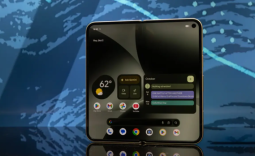
Google's upcoming Tensor G6 SoC, the chipset expected to power the Pixel 11 family this August, is shaping up to be a tale of two extremes. Fresh leaks paint a picture of an SoC that pairs cutting‑edge Arm CPU cores with a GPU that first saw the light of day half a decade ago. This choice seems hard to justify in a flagship product, unless you view it strictly through the lens of cost control.
A leak originating from the Mystic Leaks Telegram channel has shed light on the internal architecture of the Tensor G6 SoC. The chip is expected to debut inside the Pixel 11 lineup, which Google will likely announce in August if it sticks to its typical launch timeline. The three devices (internally codenamed Cubs, Grizzly, and Kodiak) correspond to the standard Pixel 11, Pixel 11 Pro, and Pixel 11 Pro XL, respectively.
Popular Now: Linus Tech Tips leaks Steam Frame first impressions, and Valve may be working on native Half-Life: Alyx supportOn the CPU side, the news is encouraging. The Tensor G6 reportedly features a 7-core configuration: one ARM C1 Ultra core running at 4.11 GHz, four C1-Pro cores at 3.38 GHz, and two additional C1-Pro cores at 2.65 GHz. This is a generational leap over the Tensor G5, which used ARM's older Cortex-X4, Cortex-A725, and Cortex-A520 cores.
The GPU situation, however, tells a very different story. Instead of a contemporary Arm Mali or a newer Imagination design, Google appears to have selected the Imagination Technologies PowerVR C-Series CXTP-48-1536 GPU, originally launched way back in 2021. That makes it roughly five years old by the time it ships in a new device.

While it's possible Google is using an updated variant of the design, expectations for the Pixel 11 to be any kind of gaming powerhouse are essentially off the table. While it was one of the first GPUs to offer hardware ray tracing on mobile, its raw performance today trails far behind what Qualcomm, Apple, and Samsung are shipping. For enthusiasts already frustrated by Pixel's historically middling graphics performance, this will sting.
Multiple reports link this decision to a deliberate cost‑cutting strategy. By reusing a smaller, older‑generation GPU block, Google can reduce the overall die size, thereby lowering per‑chip manufacturing costs. In an environment where DRAM prices have been rising and advanced-node capacity remains tight, manufacturers have to cut corners somewhere. The company appears to be betting that the upgraded NPU and AI‑centric software features will offset the graphics deficit for most users.
The Pixel 11 series is expected to arrive this coming August. Whether the CPU gains are enough to offset the GPU disappointment remains to be seen, but for anyone hoping Google would finally close the graphics gap with its flagship rivals, this leak is certainly not the news they were looking for.