With memory prices surging due to shortages and unprecedented demand from the AI and data center markets, it has been widely rumored that desktop graphics card prices for PC gaming are set to increase. And now, with the latest report from the Board Channels forum in China, we've got word that AMD is set to increase the pricing for all of its Radeon GPUs based on VRAM capacity.

Board Channels regularly breaks news relating to pricing and stock levels from AMD and NVIDIA's partners, so chances are this is accurate information. According to the post, the "first wave" of Radeon GPU price increases will see 8GB GPUs cost $20 more, and 16GB GPUs cost $40 more. This refers to the GPU bundles (chips and memory) that AMD sells to its partners for packaging and pairing with boards and coolers.
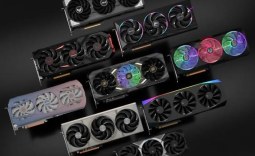
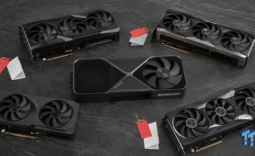
The flow-on effect will see retail prices for AMD's Radeon GPUs increase by around 300 RMB (around $40 USD) and 600 RMB (around $85 USD) by the end of the year. Although no specific Radeon GPU models are mentioned in the post, it is expected to apply to AMD's full RDNA 4 lineup, which includes the entry-level Radeon RX 9060 XT 8GB and the flagship Radeon RX 9070 XT 16GB GPUs.
It's a notable price increase, to be sure. Still, the concerning part is that the confirmation is that this represents the "first wave" of price increases, as the whole memory shortage and price crisis are expected to worsen as we head into 2026. It remains to be seen what effect higher GPU pricing will have on sales, though we're not expecting it to be positive, given that the consumer PC market is predicted to shrink in 2026 due to rising RAM and SSD costs.