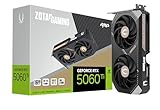
NVIDIA's RTX 5060 Ti with 8GB of VRAM, and the 8GB spin on the RX 9060 XT, are both selling pretty abysmally compared to the 16GB flavors of these graphics cards, going by some new stats.

The sales figures, picked up by TechPowerup (as flagged by VideoCardz), come from major German retailer Mindfactory.
For NVIDIA - and this includes every model available at the retailer - the RTX 5060 Ti 8GB has only achieved 105 sales to date. The RTX 5060 Ti with 16GB has raced ahead with 1675 units shifted, which is almost 16x more sales thus far.
The situation for AMD's RX 9060 XT is even more skewed against the variant with the lesser loadout of VRAM. Mindfactory has recorded 885 units sold for the RX 9060 XT with 16GB, compared to just 30 units for the 8GB flavor, again across all models - which is close to a factor of 30x in favor of the 16GB card.
If you're thinking that maybe stock levels have something to do with this, and a healthy inventory of 16GB graphics cards, with perhaps not much choice of 8GB models, well, that isn't the case. In fact, TechPowerup observes that there's ample supply of both (despite previous hints that the 8GB models were going to be more for OEMs, rather than destined for the shelves of retailers).
Caution needed
Of course, there are clear reasons to be cautious here. These are just figures from a single retailer in Europe, so hardly representative of the broad picture of GPU sales of these GPUs.
But still, the weighting of the sales is such that's even if it is a limited picture that's being painted, it's certainly a striking one, and a clear enough vote by German gamers that the 8GB versions of these graphics cards simply aren't good enough. (An opinion that a TechPowerup poll very much echoes, it should be noted).
A possibility worth considering here, though, is that it's more enthusiast gamers who will use the likes of Mindfactory, whereas less clued-up everyday consumers may be more likely to pick up a GPU at the likes of Amazon.
Those kinds of folks may be less aware of the lack of future-proofing - or indeed existing problems with an 8GB pool of VRAM, as we've seen from benchmarks with contemporary games. So, they may be more likely to pick up the cheapest model they can, diving in with an 8GB board without fully realizing the downsides of that choice.
For now, though, it looks like both AMD and NVIDIA have a tough task on their hands to persuade the majority of PC gamers that 8GB graphics cards remain a viable proposition. Especially if the price difference isn't huge, as is the case with the baseline 16GB models which aren't that much more expensive than some 8GB models.