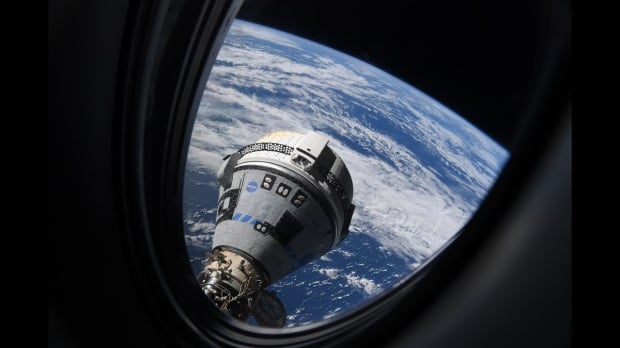




NASA astronauts Butch Wilmore and Suni Williams have been aboard the ISS for weeks longer than originally planned after Boeing's Starliner capsule began experiencing notable problems as it closed in on the ISS for docking.
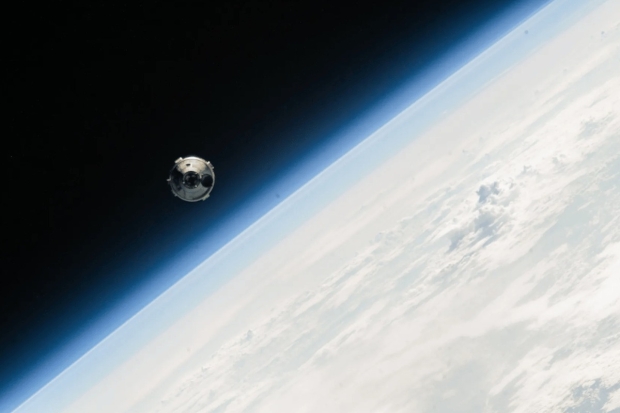
NASA and Boeing have launched an investigation into the malfunctions of the Starliner capsule, identifying multiple helium leaks and now thruster problems. According to a recent news conference, Wilmore took over manual control of the Starliner capsule as it approached the ISS, as the handling quality of the spacecraft became degraded due to its thrusters temporarily becoming disabled.
More specifically, five out of 28 reaction control system thrusters were automatically disabled by Starliner's flight software as it detected the thrusters reached extreme temperatures. At the time, four thrusters came back online, but some didn't reach nominal operating levels. However, mid-last month, they were tested again, and thrust levels were close to normal. So, what happens now?
NASA and Boeing officials are currently testing the Starliner spacecraft at a test facility in White Sands, New Mexico. Engineers are trying to replicate the exact same scenario Starliner faced while approaching the ISS and ultimately determine if the thrusters aboard Starliner are safe enough for the astronauts to make a return journey home. Unfortunately, ground tests weren't able to get the thrusters to the same extreme temperatures as the Starliner thrusters got in space. It's expected that the ground tests will be completed over the weekend.
"What we have found in this flight is we have fired the thrusters more than expected, and I would say more frequently. When I say frequently, I'm talking about how close you fire an individual thruster pulse to the next pulse of that thruster. What we're trying to do at White Sands is really replicating exactly what those pulses were that those thrusters saw, and then understand the heating effects from those pulses, and then make sure there's no unintended consequences of those pulses," said Steve Stich, NASA's commercial crew program manager
![Photo of the $10 -PlayStation Store Gift Card [Digital Code]](https://m.media-amazon.com/images/I/41MT2s0Gm2L._SL160_.jpg)