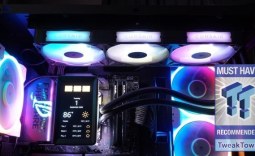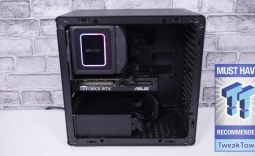


On Reddit, a gamer (MohakAoki) who has used a pre-built PC with an Intel Core i7-12700K processor and AIO cooler for three years made a startling discovery when they opened the system. Turns out, the cooler didn't have any thermal paste connecting the processor to the cooler, yet the PC has reportedly run for years without failing.

After the discovery, they ran the OCCT stress test and benchmarking tool and found the CPU temperature hit 100 degrees Celsius. It's a wild story and definitely highlights the risks of buying a pre-built system. And it doesn't stop there: after discovering the CPU had no thermal paste, they also found the fans on the 240mm AIO were installed in the wrong intake position. Yes, this means that the hot air was being directed into the system instead of being exhausted out of the case.
Without thermal paste, heat still transfers between the CPU and the copper baseplate through direct contact, but this isn't recommended. That's why many off-the-shelf AIO coolers include thermal paste pre-installed on copper cold plates.
Naturally, with no thermal paste and the AIO fans installed incorrectly, it raises the question of where and by whom this pre-built PC was put together, but the post doesn't offer those details. It also raises the question of the potential lifespan left on the Intel Core i7-12700K, because if this rig was used to play PC games for over three years, you'd have to think it's been affected.

Frequently Asked Questions
Open a question for an answer from TweakTown's coverage of this news, or ask your own below.
How should an Intel Core i7-12700K be repasted and remounted on an AIO cooler after running without thermal paste?
Can an AIO cooler on a pre-built PC still keep a CPU stable if the fans are installed in the wrong intake position?
How much damage could long-term operation without thermal paste have done to the Intel Core i7-12700K or the AIO cooler?
Why might a gaming PC have survived for years with no thermal paste even though sustained CPU workloads could be risky?
Have a question that isn't listed here? Ask below, and TweakBot will answer it.

Perhaps the reason why the CPU didn't overheat, thermal throttle, or fail comes down to playing games that didn't stress the CPU too much. Inefficient heat transfer is better than no cooling at all, and it's probably lucky they weren't running sustained CPU-intensive workloads.