

Hydra is a custom GPU overclocking and monitoring tool created by Yuri Bubliy (1usmus), and a notable 2.3B update is expected to drop next week for Early Access subscribers on Patreon. This update is currently making headlines because it's set to introduce advanced VRAM overclocking and power-limit controls for GeForce RTX 50 Series GPUs.

According to the post, owners of GeForce RTX 50 series graphics cards from any vendor will be able to increase and overclock GDDR7 memory speed up to 36 Gbps. For most cards in the lineup, this would equate to a +3000MHz increase, with the developer noting that it achieved this with a custom solution that's not "a security hack, a VBIOS modification, or some kind of 'magic' driver."
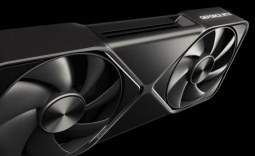
To accompany the announcement, the developer showcases images of their ASUS ROG Astral GeForce RTX 5090 GPU hitting an impressive 2.3 TB/s of memory bandwidth thanks to the new 36 Gbps overclock. They also note that 36 Gbps is an intentional limit "with user safety in mind," meaning that the ceiling could go even higher.
- Read more: New tool enables crossbar overclocking on RTX 5090, user reports show gains of up to 142MHz
- Read more: GDDR7 overclocked to a whopping 39Gbps through mvolt+, representing a 40% bandwidth increase on an RTX 5070 Ti
- Read more: New modding tool raises RTX 5090 laptop GPU power limit up to 225W
The updated Hydra tool also increases the power limit for GeForce RTX 50 Series GPUs to 125% from the standard 110%. The update also introduces XBAR offset control for extreme overclockers, which tunes a GPU's interconnect to boost performance beyond GPU core frequency and memory overclocking. Naturally, faster memory and more power bring risks to component health, so even with limits in place, 1usmus adds the following disclaimer.

Story Q&A
Powered by TweakBot
From TweakTown's coverage of this story.
Which GeForce RTX 50 Series models did Hydra’s 2.3B update test to reach the 36 Gbps GDDR7 overclock?
Will Hydra’s 36 Gbps VRAM overclock apply to cards from all board partners or only reference-design RTX 50 Series GPUs?
How does the +3000MHz GDDR7 increase reported in the article translate to effective memory bandwidth on an RTX 5090?
What safeguards or intentional limits does Hydra implement to protect users when setting the 36 Gbps VRAM ceiling?
Want something else? Ask TweakBot.

Any form of overclocking can become dangerous in the hands of an inexperienced user. Excessive voltage, power, or frequency settings may cause instability, overheating, accelerated hardware degradation, or permanent damage. Always understand what you are changing, monitor the graphics card carefully, and never exceed the capabilities of its cooling system, VRM, power delivery, or other components.