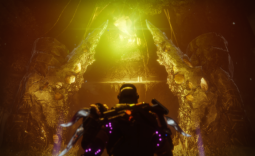
Marathon might be a $40 live service game, but the shooter carries a very AAA budget.

New reports from Forbes' Paul Tassi indicate that Bungie and Sony may have spent in excess of $200 million developing and publishing Marathon, the new extraction shooter from the studio. Sources tell Tassi that this figure excludes the new content outlined in Marathon's robust March - August roadmap. It's also believed that Marathon's budget could be closer to $250 million.
Neither Sony nor Bungie has remarked on Marathon's sales performance or reception so far, but the developer has said that they intend to support Marathon with "years of steady improvements to every aspect of the game."
Based on the public metrics, Marathon hasn't been doing so hot on all platforms.

The game is currently the #101 on the PlayStation Store's most-downloaded games list, and Sony has attempted to help boost engagement by including a free 7-day trial of PS Plus Premium with all Marathon purchases on PS5. Marathon is also #64 on the US PlayStation Store's best-sellers list.

On Xbox, Marathon is #83 on the best-sellers list, and has the same ranking on the store's most popular list.

Marathon is also quite low on Steam, at least in terms of sales/revenue positioning. The game is #82 on Steam's best-sellers list, and SteamDB estimates Marathon had around 26.9K peak players in the last 24 hours, down nearly 70% from the game's all-time peak count of 88.3K at launch.


Given that gaming is now 60% of Sony's entertainment spending, the company's executive management will likely be asked specific questions about Marathon's performance in the next earnings report, which is scheduled for May 7.
Bungie has proven to be a costly acquisition for Sony. The company paid $3.7 billion for Bungie, paying for that sum over multiple quarterly periods. This lowered the operating income rates and ratios for Sony's PlayStation division for these periods, affecting the segment's performance during critical points.
It's unclear what this means for Bungie and Marathon's future. Sony has been relatively quick to stamp out risks with its live service endeavors, pulling Concord offline and recording a significant write-down under the PlayStation branch. Since then, Sony has cancelled a number of live service games, including the Last of Us multiplayer online game that had mostly been complete before it was scrapped.