




A study on the black frogs titled "Ionizing radiation and melanism in Chornobyl tree frogs" has been published in the journal Evolutionary Applications.
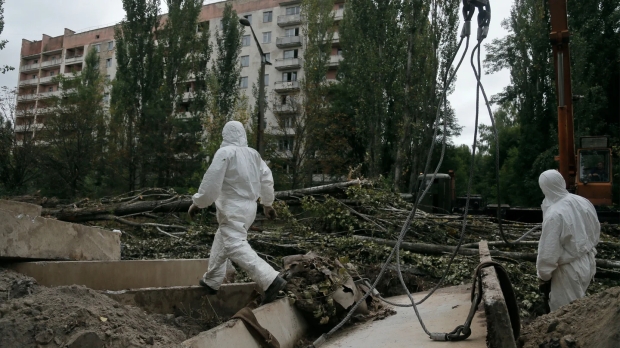
Since the nuclear disaster at the Chornobyl Nuclear Power Plant in 1986, the surrounding environment has been cordoned off and dubbed the Chornobyl Exclusion Zone, forbidding unauthorized human entry. The area has become one of the largest nature reserves in Europe, and many endangered species are now found there. However, the amount of radioactive material released by the disaster means these species have had to contend with radiation in their lives.
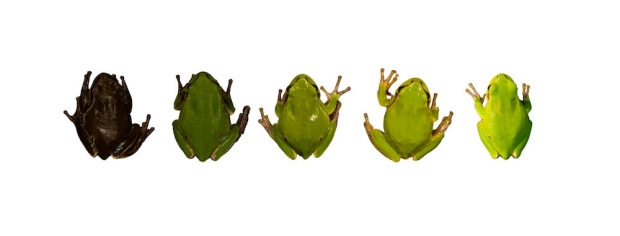
Popular Now: MAXSUN removes the PCIe x16 slot from a Z890 Mini-ITX motherboard and routes the GPU over MCIO insteadResearchers identified several Eastern tree frogs, or Hyla orientalis, that were found with an unusually black tint instead of their usual bright green coloration. Higher levels of melanin are responsible for the darker color of the frogs and other organisms and protect animals from ultraviolet radiation from the sun. However, melanin can also protect against ionizing radiation that the Chornobyl disaster released.
They found that the tree frogs around Chornobyl, in some of the most radioactive areas on the planet, were markedly darker than those from control areas outside of the exclusion zone, found in areas with nominal radiation levels. However, the coloration doesn't appear to be associated with current radiation levels and indicates that the frogs likely underwent a rapid evolution immediately following the Chornobyl disaster.
Darker-colored frogs at the time would have represented a minority of the overall population. However, they would have survived the radiation better than lighter frogs, allowing them to reproduce more successfully and become the dominant type of the species inside the Chornobyl Exclusion Zone today.
You can read more from the study here.