













A ZOTAC GeForce RTX 5090 SOLID reportedly failed catastrophically while its owner was playing through the Assassin's Creed Black Flag Resynced tutorial, according to a post on the r/pcmasterrace subreddit. While the user's description of the card "blowing up" is a bit of an exaggeration, they claim to have heard a loud pop and crackling noise about five minutes into the game, followed by a cloud of smoke, and the system shut down immediately.
This one is peculiar because of where the damage actually is. The 16-pin 12V-2x6 power connector, the usual suspect in RTX 5090 failures, came through untouched. Instead, the burn marks are concentrated around the PCIe interface, both on the card's gold fingers and around the main PCIe slot on the owner's MSI MAG X870E Tomahawk motherboard.

The card had reportedly been running fine for about a year with no hardware changes, and the only recent change was NVIDIA's GeForce 610.74 driver, released July 7, with support for Black Flag Resynced. There's no evidence tying that driver to the failure, and a software issue causing this kind of physical damage would be unusual on its own.

Of course, RTX 5090 failures aren't new; we've covered several melted 12V-2x6 connectors at this point, including one where ASRock's TempGuard safety feature failed to prevent the damage as well. However, this case looks different since the connector itself is fine. It's closer to the exploded capacitor reported on another RTX 5090 last year, or the ROG Astral card that caught fire with burn marks on both the GPU and motherboard, both PCB-level failures rather than cable issues.

The leading theory right now points to a crack in the PCB near the PCIe connector. The RTX 5090 is a big, heavy card, and sustained sag over a year of use can stress the board enough to fracture copper traces, especially if the card wasn't seated perfectly straight or fully supported.
A similar mod gone wrong on another 5090 shows how easily these boards can suffer PCB-level damage once something is wired or stressed incorrectly. Whether this specific case was avoidable is hard to say without a proper teardown; it could be a manufacturing defect, installation stress, or just a slow-growing crack that finally gave out.


Frequently Asked Questions
TweakBot answers common questions about this news using TweakTown's own coverage from this page and related content from our archive. Tap a question to reveal the answer, or type your own below.
What specific symptoms did the owner report before the ZOTAC RTX 5090 failed (noises, smoke, shutdown) and how long into gameplay did they occur?
Could the July 7 NVIDIA GeForce 610.74 driver that added support for Black Flag Resynced be responsible for this physical PCIe/PCB failure?
What evidence supports a cracked PCB near the PCIe connector as the likely cause of this failure?
What precautions or hardware (anti-sag brackets, seating checks) does the article recommend to prevent similar PCIe/PCB damage on heavy cards like the RTX 5090?
Have a question not listed here? Ask below and TweakBot will answer it.

If you're running a 5090 or any similarly heavy card, an anti-sag bracket that supports the front of the card, not just the back, is worth having. Make sure the card is seated flat and straight before powering on, avoid forcing it into the slot at an angle, and if you ever notice new coil whine, burning smells, or visible board flex, it's worth shutting down and inspecting before you keep gaming on it.


 Ubisoft responds to Black Flag Resynced DLC critics by telling them they're 'not a requirement'
 Assassin's Creed Black Flag Resynced sells over 5 times more copies than AC Shadows on Steam
 Assassin's Creed Black Flag Resynced will bring back social stealth, but hidden blades take a back seat
 First 30 minutes of Assassin's Creed Black Flag Resynced just got leaked
 Ubisoft wants you to read enemies, not UI, in Black Flag Resynced
 Saber Interactive hires ex-Epic VP Steve Allison to lead business during 'transformative period'
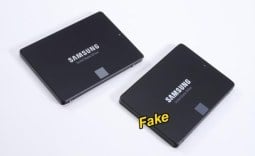 Fake 2TB Samsung 870 EVO SSDs are floating around that are actually 120GB
 Publishers set game prices, not Sony, former PlayStation exec clarifies
 Analyst predicts Helix will be significantly outsold by PS6
 NVIDIA RTX 5000 GPUs get hotspot temperature readings in new version of HWMonitor to help diagnose cooling-related flaws
 Ryzen 7 5800X3D 10th Anniversary Edition hits fourth place on Amazon best sellers list, less than a month after release
 Microsoft confirms ads are being removed from Windows 11 Search in new major upgrade
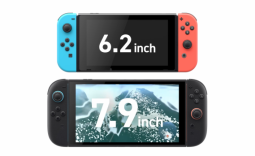 Switch 2 OLED could arrive years ahead of Nintendo's original OLED timeline
 Chinese DDR5 memory just hit 8000+ speeds on MSI Intel motherboards
 Anthropic says Claude changes its personality across languages and models
 ASUS ROG Raikiri II Xbox Wireless Controller Review - Ready to Take Control
 MOZA FMP18 Panel Bundle Review: authentic F/A-18 Hornet cockpit controls for flight sims
 Micron 6600 ION 245.76TB Enterprise SSD Review - Best in Class Programming Speeds
 MOZA MA3F EFCM Flight Control Module Review: authentic Airbus A320 autopilot panel for simulators
 Turtle Beach Stealth Pro II Wireless Gaming Headset Review - Premium Sound, Fantastic Features
 MOZA MGX1000 Instrument Panel Review: a realistic Garmin G1000 replica for immersive flight sims
 Simagic Zeus Formula Steering Wheel Review: premium build and advanced inputs for F1 racing
 GIGABYTE X870E Aero X3D Dark Wood Review - A woody goody
 The Super Mario Galaxy Movie (2026) 4K Ultra HD Blu-ray Review
 KTC H49S66 5K2K (5120x1440) 49-inch 180Hz Gaming Monitor Review
 I stopped digging through Windows menus after I set up this one folder
 Don't sell your Windows laptop until you do these things
 6 PC cleaning mistakes to avoid for safer hardware maintenance
 Phison and Intel Take Aim at Local AI's Memory Wall with aiDAPTIV
 How to Remap Keyboard Keys in Windows using Microsoft PowerToys
 7 tips to organize your Windows files for faster, easier access
 Intel Arc G3 Extreme first impressions with MSI's Claw 8 EX AI+ - Incredible power for an extreme price
 How to fix Wi-Fi Adapter Not Working on Windows laptops: troubleshooting tips
 Hisense U7SG 4K TV: Modern Entertainment for the New Age
 6 underrated Microsoft Word features worth using to boost your productivity