Nintendo's shares have dropped 10% from December's trading high as the company once again faces the dreaded combination of component shortages and rising costs.

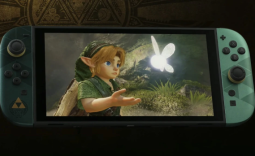
Nintendo's aspirations for the Switch 2 could be stymied throughout 2026, leading to hardware production disruptions and potentially even price hikes for consumers.
Popular Now: Linus Tech Tips leaks Steam Frame first impressions, and Valve may be working on native Half-Life: Alyx supportNew reports from Bloomberg indicate that Nintendo is now paying more money to secure parts for its Switch 2 system. Data from TrendForce suggests that Nintendo is now paying 41% more for the memory chips used in the handheld-console; the Switch 2 uses 12GB of LPDDR5X RAM, split evenly across 2x 6GB modules from Micron.
The firm also says that Nintendo is paying upwards of 8% more for the storage chips used in the console--in this case, the Switch 2 uses 256GB of onboard NAND flash from SK hynix to store games, content, and apps.
Bloomberg notes that Nintendo has lost roughly $14 billion in market value throughout December.
The Switch 2 has been a success so far, causing Nintendo to upwardly revise its hardware sales forecast by 4 million units. The company now expects to ship 19 million Switch 2 consoles throughout this fiscal year, which ends in March 2026.
Sales data shows that Nintendo has already shipped over 10.36 million Switch 2 systems from April - September.
The company has noted, however, that per-unit profits on Switch 2 sales are lower than Switch 1.
It's unclear how the RAM and NAND shortages will affect Nintendo's production cycles, and whether or not this could trigger a price hike for the Switch 2 system.
Nintendo has already raised the prices of the entire Switch 1 family of consoles--the base Switch, Switch Lite, and Switch OLED--alongside a range of accessories in a bid to stave off harmful tariffs.